
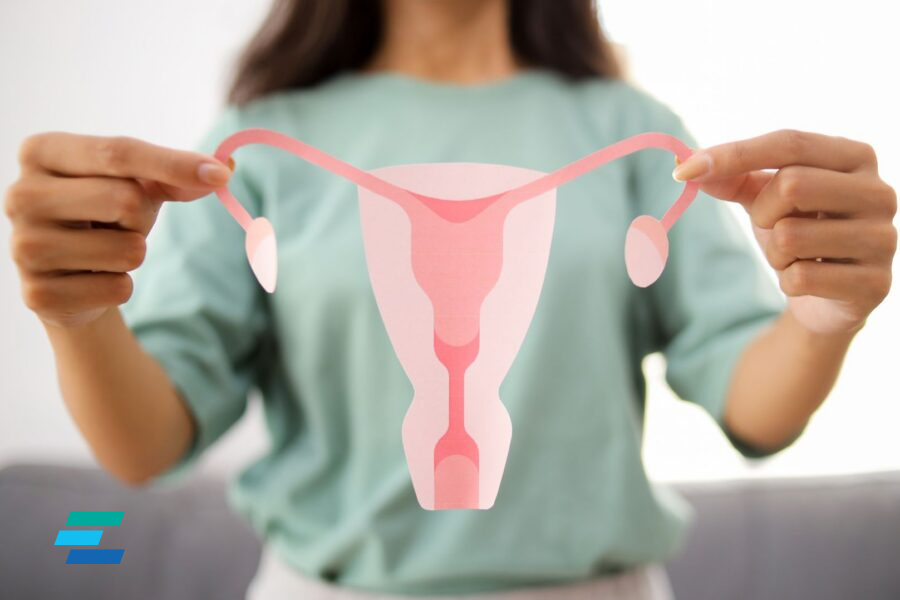
Eligible residents will start receiving invitations to take a free HPV self-test at home as part of a major NHS initiative to help prevent cervical cancer.
The invite-only home testing option is being introduced alongside wider NHS Essex work. This aims to understand and address the barriers that can prevent people from attending cervical screening.
We know that everyone’s circumstances and experiences are different, and that attending screening can be difficult for some people. For those who have missed screening and are invited to self-test, taking an HPV test at home offers another opportunity to take an important step towards protecting their health.
Cervical screening remains one of the most effective ways to prevent cervical cancer. A sample taken by a trained healthcare professional can be checked for both high-risk HPV and, where needed, cell changes, so anyone who receives a routine invitation should continue to book an appointment.
Dr Elizabeth Towers, NHS Essex System Clinical Lead for Cancer
The introduction of HPV self-testing comes as NHS Essex continues work to improve cervical screening participation. A survey of 665 Essex residents found that most women were aware of the importance of cervical screening and intended to take part. However, factors including anxiety, fear of pain, previous negative experiences and concerns about getting an appointment could make attendance more difficult.
The NHS will contact eligible women and people with a cervix aged 30 to 65 through the NHS App, text message, email or letter to offer HPV self-testing. Those invited can order a free HPV self-test, then complete it privately at home and return it to the NHS by post.
What is the HPV test?
The self-test checks for high-risk human papillomavirus (HPV), the virus responsible for almost all cervical cancers. People with a positive result will receive an invitation to attend a follow-up cervical screening appointment. This could be at their GP practice or sexual health clinic. Here, a healthcare professional will take a sample to check for cell changes. The rollout forms part of the NHS ambition to eliminate cervical cancer by 2040.
Improving cancer outcomes through prevention and earlier diagnosis is a priority for NHS Essex. Through its Cervical Screening Champions Fund, micro-grants were awarded to organisations supporting communities less likely to attend screening.
Community organisations have delivered workshops, coffee mornings, faith-based discussions, support groups and outreach activities, reaching more than 400 people. The work has involved a range of communities. This includes women who have experienced sexual violence, people experiencing mental ill health or social isolation, and residents living in areas of deprivation.
People with learning disabilities are among the groups with the lowest uptake of cervical screening. NHS Essex has worked with people with learning disabilities to co-produce a Talking Text video and Easy Read guide. This aims to support informed conversations about screening.
Using the fictional character Emily, the resources use simple, jargon-free language and images. They explain what cervical screening involves, why it matters and what support may be available before and during an appointment.
Women and people with a cervix who receive a routine cervical screening invitation should continue to book as usual. Anyone who has put off or missed screening can contact their GP practice at any time to arrange an appointment. GP practices can offer:
- extra time
- arrange for a female healthcare professional to carry out the test and
- discuss other ways to make the appointment more comfortable.