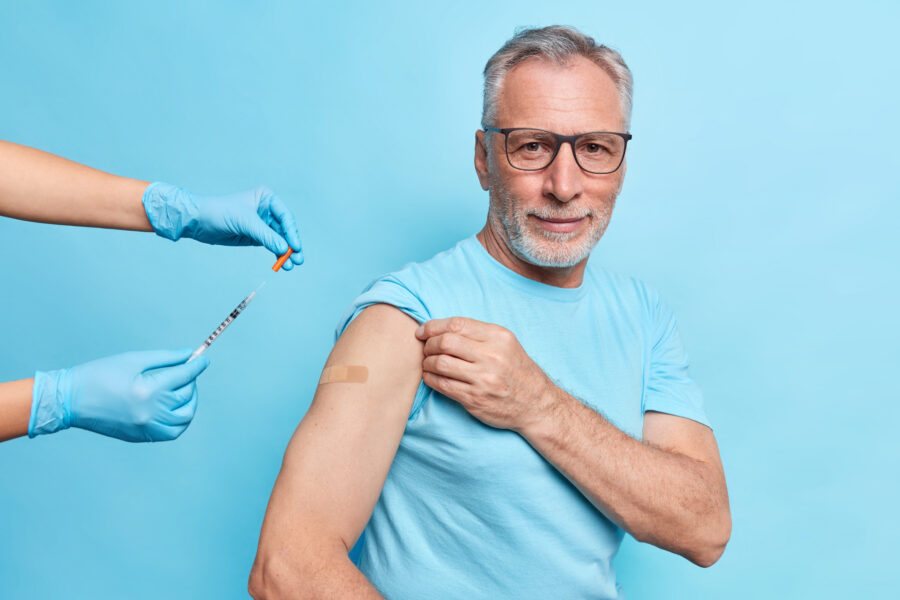
Thousands more people at higher risk of becoming seriously ill from RSV will be offered a free NHS vaccine this winter.
From September, people aged 65 to 74 who have some long-term lung conditions or a weakened immune system will be offered the RSV vaccine.
RSV stands for respiratory syncytial virus. It is a common virus that can cause serious lung infections in some people.
People who will now be offered the vaccine include those with conditions such as chronic asthma, bronchitis or cystic fibrosis. It also includes some people with weakened immune systems because of a health condition or treatment such as chemotherapy.
People who are eligible will be able to get the vaccine from their GP practice from 1 September. In some areas, it may also be available from a local pharmacy.
The vaccine can help protect people from becoming seriously ill or needing hospital treatment because of RSV.
The NHS has already expanded the programme this year to include everyone aged 80 and over. More than 519,000 people aged 80 and over have received the vaccine in the past three months.
What is RSV?
RSV is a common virus that affects the lungs and airways.
For many people, it causes mild symptoms similar to a cold. But it can be more serious for older people and those with some health conditions.
RSV can cause illnesses such as pneumonia and bronchitis. It can also make existing lung conditions worse and may lead to problems with breathing.
Some people who become seriously ill with RSV need treatment in hospital.
The NHS is expanding the vaccination programme after advice from the Joint Committee on Vaccination and Immunisation (JCVI).
The JCVI found that the newly eligible groups have a higher risk of becoming seriously ill from RSV and needing hospital care.
Who can already get the RSV vaccine?
The RSV vaccine is already available to:
- people aged 75 and over
- people living in care homes for older adults
- pregnant women, to help protect their babies after they are born.
The NHS has offered the vaccine to pregnant women since 2024. Around 300,000 mothers and babies were protected during the first year of the programme.
The vaccine helps the immune system learn how to fight RSV. This means the body can respond more quickly if it comes into contact with the virus.
RSV can make people seriously ill, which is why it’s so important for those who are particularly vulnerable to be protected. Expanding the vaccine to this group offers them the best possible protection and can help keep people out of hospital.
Caroline Temmink, Director of Vaccination at NHS England
If you are aged 75 or over, or live in a care home for older adults and are yet to get vaccinated, now is the time to come forward. Although RSV spreads most in winter, this virus poses a risk all year round, so if you’ve been offered the jab, please come forward to your GP or local pharmacy.
Respiratory Syncytial Virus can cause serious illness for older adults and those with underlying health conditions.
Public Health Minister Sharon Hodgson
By expanding the vaccination programme, we’re making sure more people who are at higher risk are protected before they become seriously ill.
This will save lives, prevent hundreds of avoidable hospital admissions and reduce pressure on the NHS during the winter months.
This is an important expansion of the RSV immunisation programme. New evidence makes it clear that these two groups of patients are at the highest risk of needing hospital admission due to RSV.
Dr Conall Watson, Consultant Epidemiologist at the UK Health Security Agency
The vaccine gives excellent protection against severe lung infection, and I would encourage anyone eligible to take it up when offered. It could make a real difference to your health.
Getting your RSV vaccine
If you are eligible, the NHS will contact you and let you know how you can get your vaccine.
People aged 75 and over who have not yet had their RSV vaccine can still come forward.
Although RSV spreads more during winter, it can circulate throughout the year. Getting vaccinated can help protect you from becoming seriously ill.