
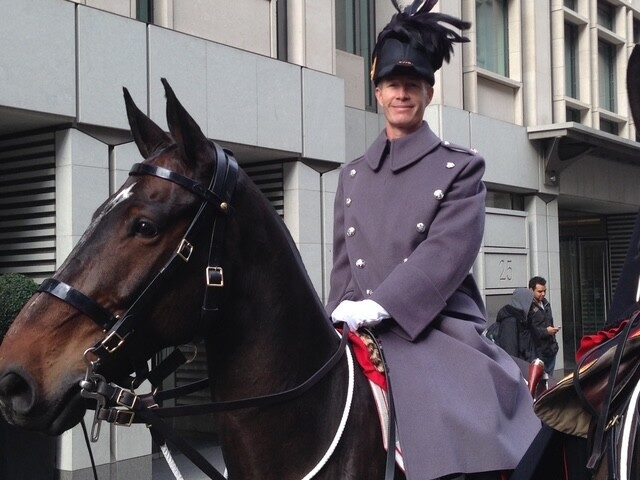
On 27 June we marked Armed Forces Day, a time to recognise the dedication and sacrifice of the men and women who have served our country. It was encouraging to see so many organisations coming together to mark the occasion, but supporting veterans should not end when Armed Forces Day is over. Throughout the year, we must continue to make sure those who have served can access the healthcare and support they need.
There are around 50,000 veterans living in Essex, and I am one of them. Veterans often have healthcare needs that are different from the wider population, shaped by the experiences and demands of military service. During my 16 years in the Royal Army Medical Corps, I was deployed to countries including the former Yugoslavia, Afghanistan, Oman, Mongolia, Kenya, Hong Kong and Cyprus. I saw first-hand the physical and psychological impact that service can have, particularly on those who served in Iraq and Afghanistan, where many veterans continue to live with the lasting effects of conflict.
One thing that stays with many people after leaving the Armed Forces is the culture of resilience. You are trained to keep going, even when things are difficult. That determination is invaluable during military service, but it can also make it harder to recognise when you need help or to know where to turn once you return to civilian life.
That is why Veteran Friendly GP practices are so important. Across Essex, 162 GP practices have been accredited by the Royal College of General Practitioners as Veteran Friendly. These practices understand the unique experiences of those who have served and can help connect veterans with specialist NHS services and other organisations that provide tailored support.
My own practice, Rowhedge and University of Essex Medical Practice in Colchester, is one of those accredited practices. Becoming Veteran Friendly is about much more than displaying a certificate. It means understanding how military service can affect both physical and mental health, recognising the importance of identifying patients who have served, and making sure they can access the right support at the right time.
Since becoming a full-time NHS GP in 2010, I have seen the support available for veterans improve significantly. Services such as Op COURAGE, the NHS mental health service for veterans, reservists and service leavers, have transformed access to specialist mental health care for many people who may previously have struggled in silence. Being able to signpost veterans to services like these is one of the greatest benefits of being a Veteran Friendly practice.
I’m proud of my time serving in the Armed Forces and keep some of my Army memorabilia in my consulting room. It often sparks conversations with veteran patients, who can immediately see that I understand something of their experiences. That shared connection can help people feel more comfortable talking about their health and any challenges they may be facing.
If you have served in the Armed Forces, my advice is simple: make sure your GP practice knows that you are a veteran. Having your veteran status recorded means your practice can help you access the specialist healthcare and support available should you ever need it.
List of Veteran friendly accredited GP practicesIf you would like to find out more, you can view the list of Veteran Friendly accredited GP practices on the Royal College of General Practitioners website or find information about local support for veterans and serving personnel on the Essex County Council website.