
There are 5.8 million unpaid carers in the UK, who all make a vital contribution within communities every day.
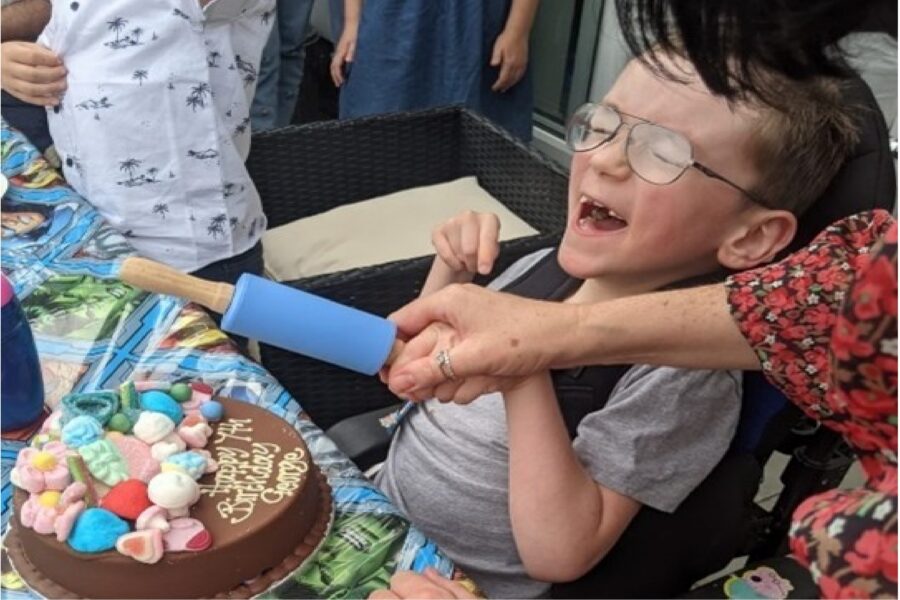
This Carers Week (8 to 14 June), Michelle Bullman, NHS Essex’s Head of Neighbourhood Health, shares her experience of caring for her 11-year-old son, George, who has cerebral palsy.
Being a carer is a role that many people never expect to take on, yet millions of us do. Whether caring for a parent, partner, child, friend or family member, it becomes much more than a responsibility – it becomes a way of life. I have lost count of the number of people who have said to me: “I couldn’t do what you do.”
My answer is always the same: you could, and most people would if they had to.
One of the biggest challenges for me was recognising that I was a carer in the first place. As a parent, you care for your child, so where exactly is the line between parenting and caring?
My son George’s primary diagnosis is cerebral palsy, and he has multiple complex needs. He is a full-time wheelchair user, fully hoisted, and also has autism and sensory processing difficulties.
As he has grown older – he is now 11 – my daily routine has changed significantly. Before I even start my day job at 9am, I have already managed medications, exercises, personal care and have fed George. This is in between bumping my head on the ceiling hoist or hearing its warning beeps because I forgot to charge it properly the night before.
Being a carer can be physically exhausting and emotionally demanding. Some days I am bone tired and there are days when I feel overwhelmed, worried or isolated.
But caring for George has opened my eyes to so many things I never previously considered. Practical things, such as the lack of fully accessible toilets and Changing Places facilities. For some families, a trip out isn’t as simple as grabbing your keys and leaving the house. It can involve a full-scale reconnaissance mission to work out where the nearest suitable toilet is and whether you can realistically stay out for more than a couple of hours.
Then there are other people’s reactions. These range from the full-on stares and whispered conversations to what I call the “hero complex”. People sometimes look at me as an angel, hero or inspiration, while George is the bravest and most special boy they’ve ever met. This has led to some interesting debates with George at home when he asks if he still has to go to bed and eat vegetables if he is, in fact, the bravest and most amazing person ever.
A reflection
One of the biggest lessons I have learned is the importance of asking for help and not feeling guilty about it. Support and understanding from family, friends and colleagues can make a huge difference.
For fellow working carers, my advice is: be open with your manager and colleagues if you can. And for those supporting carers, if you ask how someone is feeling, listen. You don’t need to have the answers. Sometimes hearing, “That sounds really tough,” is enough.
Being a carer has changed me more than I ever imagined. The journey is not always easy, but it has given me a deeper appreciation of kindness, resilience and human connection. I genuinely believe I am a better person – and a better employee – because of it.
To anyone who is a carer, whether officially recognised or simply supporting someone you love, your efforts matter. Much of what you do goes unseen, but it makes a difference every single day.
Raising awareness
Carers Week raises awareness of caring, highlights the challenges unpaid carers face and recognises the contribution they make to families and communities throughout the UK.
Find out more about Carers Week