
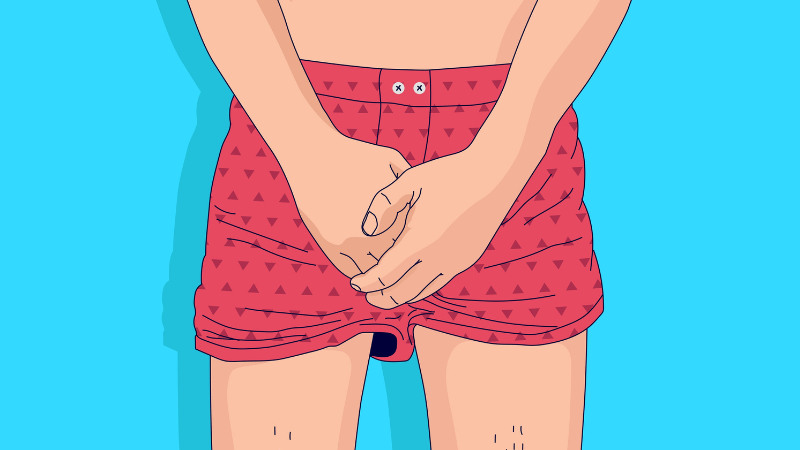
Testicular torsion is a medical emergency that requires immediate treatment. As a doctor, I have seen how delays in seeking help can lead to preventable surgery and permanent loss of a testicle.
In Essex, local data shows that on average more than one boy or young man loses a testicle every month because they did not reach an Emergency Department quickly enough. This is often due to embarrassment, uncertainty, or hoping the pain will go away.
If you, your child, or someone you care for develops sudden, severe testicular pain, go straight to A&E or call 999. Acting quickly can prevent lifelong consequences.
What is testicular torsion?
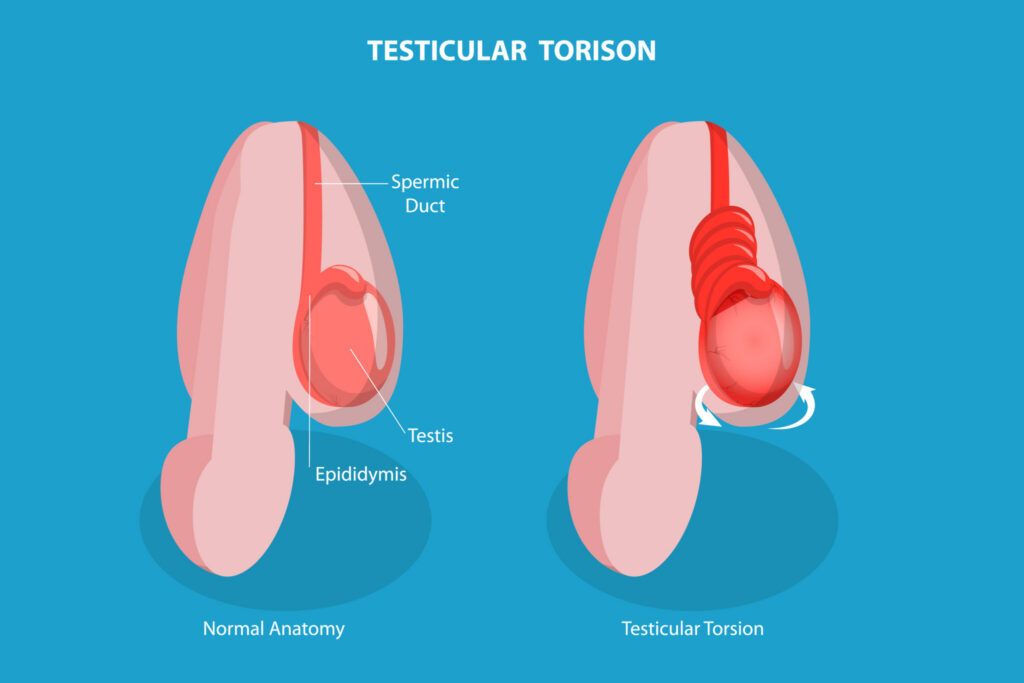
Testicular torsion happens when a testicle twists inside the scrotum. This twisting cuts off the blood supply to the testicle and surrounding tissue.
Without blood flow, the testicle can become permanently damaged within hours.
Testicular torsion most commonly affects boys and young men aged between 10 and 18, but it can happen at any age, including in babies and adults.
Symptoms of testicular torsion
The most common symptom of testicular torsion is sudden, severe pain in one testicle.
Other symptoms may include:
- swelling of the scrotum
- abdominal pain
- nausea or vomiting
- a testicle sitting higher than normal
- redness or tenderness of the scrotum
- pain that starts during sport, after injury, or even during sleep
These symptoms require urgent medical attention. Do not wait to see if the pain improves.
Why testicular torsion is a medical emergency
Testicular torsion cuts off blood supply to the testicle. The longer the delay in treatment, the greater the risk of permanent damage.
Typical outcomes depend on how quickly treatment is provided:
- Within 6 hours: High chance of saving the testicle
- After 12 hours: Risk of permanent damage increases significantly
- After 24 hours: The testicle will usually need to be removed
This is why immediate medical assessment is essential.
What to do if you suspect testicular torsion
If you or your child has sudden testicular pain:
Go to A&E immediately. Do not wait.
If possible, attend:
- Broomfield Hospital A&E, or
- Southend Hospital A&E
Basildon Hospital can assess patients but may need to transfer them for specialist treatment, which can cause delays.
If you cannot get to hospital quickly, call 999.
Do not:
- wait to see if the pain improves
- apply heat
- delay seeking help due to embarrassment
Time is critical.
Advice for young people
If you have sudden, severe pain in your testicle:
- tell a parent, teacher, or trusted adult immediately
- do not feel embarrassed — doctors see this regularly
- go to A&E straight away
- if you are alone, call 999
Getting help quickly can prevent surgery and protect your long-term health.
Advice for parents and carers
Young people may feel embarrassed discussing intimate health concerns. You can help by:
- reassuring them that medical professionals deal with these situations every day
- encouraging open conversations about health
- taking sudden testicular pain seriously
- acting quickly and seeking emergency care
Fast action can make the difference between saving and losing a testicle.
Treatment for testicular torsion
Testicular torsion is treated with emergency surgery called orchidopexy.
During surgery:
- the testicle is untwisted
- blood supply is restored
- both testicles are secured to prevent torsion happening again
If the testicle cannot be saved, it may need to be removed. This is called an orchidectomy.
Recovery after surgery
Most young people recover quickly after treatment.
Typical recovery includes:
- going home the same day or next day
- avoiding strenuous activity for around two weeks
- taking pain relief if needed
- attending follow-up appointments
Full recovery usually takes one to two weeks.
Can testicular torsion be prevented?
There is no guaranteed way to prevent testicular torsion.
Some people are born with a higher risk due to how the testicles are attached inside the scrotum.
The most important thing is recognising symptoms early and getting emergency treatment immediately.
Key message: act immediately
Sudden, severe testicular pain is always a medical emergency.
Do not delay. Go straight to A&E or call 999.
Early treatment can prevent permanent damage and protect long-term health.