
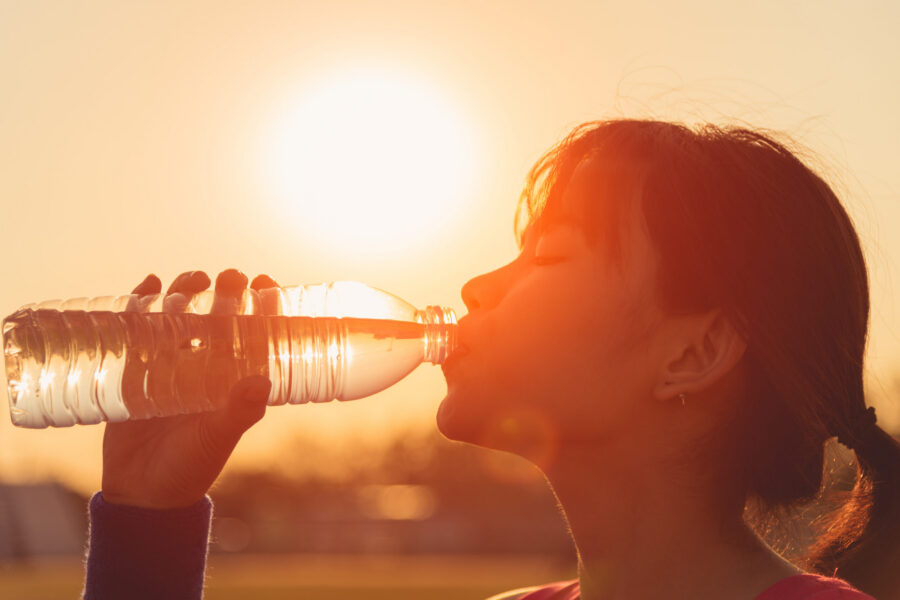
Summer health advice is especially important during periods of hot weather, as high temperatures can affect your health and wellbeing. Dr Matthew Sweeting, Executive Medical Director for NHS Essex, is encouraging residents to take simple precautions to stay safe, cool, and hydrated during the warmer months.
Summer can be one of the most enjoyable times of the year. Longer days, warmer weather, and more time outdoors can have a positive impact on both our physical and mental wellbeing. However, hot weather also brings health risks that can affect anyone, particularly older people, young children, and those living with long-term health conditions.
The good news is that there are simple steps you can take to protect yourself and your family. By following this summer health advice, you can enjoy the season safely while reducing your risk of heat-related illness, dehydration, and other seasonal health problems.
Understanding the risks of hot weather
When temperatures rise, your body has to work harder to stay cool. This can increase the risk of:
- dehydration
- overheating
- heat exhaustion or heatstroke
- worsening of existing heart, lung, or kidney conditions
While anyone can be affected, some people are more vulnerable, including:
- people aged over 75
- babies and young children
- people living alone or in care homes
- people with long-term conditions such as heart disease, diabetes, or dementia
- people taking certain medications
- people who spend long periods outdoors or live in warmer environments, such as top-floor flats
If you fall into one of these groups, or care for someone who does, it is especially important to take extra precautions.
Staying cool and avoiding overheating
One of the most effective ways to stay well during hot weather is to avoid becoming too hot in the first place.
Try to:
- stay out of the sun during the hottest part of the day, between 11am and 3pm
- wear loose, light-coloured clothing and a wide-brimmed hat
- spend time in shaded or cooler places
- avoid strenuous activity during peak heat
- never leave children, older people, or animals in parked vehicles
Cooling your body regularly can also help. Taking a cool shower, using a damp cloth on your neck or wrists, or simply sitting in a shaded, ventilated space can make a significant difference.
Keeping your home cool
Your home should be a place where you can escape the heat.
Simple measures include:
- closing curtains or blinds on sun-facing windows during the day
- opening windows at night when temperatures drop
- turning off unnecessary electrical devices
- using fans safely when temperatures are below 35°C
These steps can help prevent indoor temperatures from rising to unsafe levels.
Staying hydrated is essential
Dehydration can happen quickly in warm weather, even if you do not feel thirsty.
Make sure you:
- drink water regularly throughout the day
- avoid excessive alcohol or caffeine
- eat foods with high water content, such as fruit and salads
If you find plain water difficult, try adding fresh fruit, or eating chilled foods that help maintain hydration.
Medicines and heat sensitivity
Some medicines can affect how your body responds to heat, increasing your risk of dehydration or overheating. These include certain medications for blood pressure, diabetes, and mental health conditions.
If you are unsure whether your medication could be affected by hot weather, speak to your pharmacist or GP. They can provide advice to help you stay safe.
Protecting your skin from the sun
Sunburn increases your risk of skin cancer and can cause immediate discomfort.
Protect yourself by:
- using sunscreen with SPF 15 or higher and at least four-star UVA protection
- reapplying sunscreen regularly
- staying in the shade during peak sunlight hours
- wearing protective clothing and sunglasses
Sun protection is important for everyone, including children.
Managing common summer health issues
Hay fever
Hay fever symptoms can often be reduced by:
- showering and changing clothes after spending time outdoors
- wearing wraparound sunglasses
- applying a small amount of petroleum jelly around your nostrils
Your pharmacist can also recommend treatments to ease symptoms.
Insect bites and stings
Most bites and stings are mild and improve within a few days. Over-the-counter creams and antihistamines can help reduce itching and swelling.
Sprains and strains
If you injure yourself while being active, follow the PRICE approach:
- protect the injury
- rest the area
- apply ice
- use compression
- elevate the injured limb
Seek medical advice if symptoms do not improve.
Staying safe around water and barbecues
Swimming outdoors can help you cool down, but always take precautions. Never swim alone, and supervise children closely.
Barbecues are another summer favourite, but make sure food is cooked thoroughly and handled safely to avoid food poisoning. Keep barbecues well away from buildings and never leave them unattended.
Find out more about BBQ safetyPlanning ahead during extreme heat
During heatwaves, services and travel may be affected. If you need to travel, carry water and plan ahead.
Check on neighbours, friends, or relatives who may be more vulnerable, particularly older people or those living alone. A simple check-in can make a significant difference.
When to seek medical help
Contact NHS 111 or your GP if you or someone you care for experiences symptoms such as:
- dizziness
- confusion
- severe thirst
- headache
- nausea
- unusually high body temperature
Call 999 in an emergency.
Enjoy summer safely
Summer should be a time to enjoy yourself. By staying hydrated, protecting yourself from the sun, and taking simple precautions, you can reduce health risks and make the most of the warmer weather.
If you need advice, your local pharmacist, GP, or NHS services are here to help.