
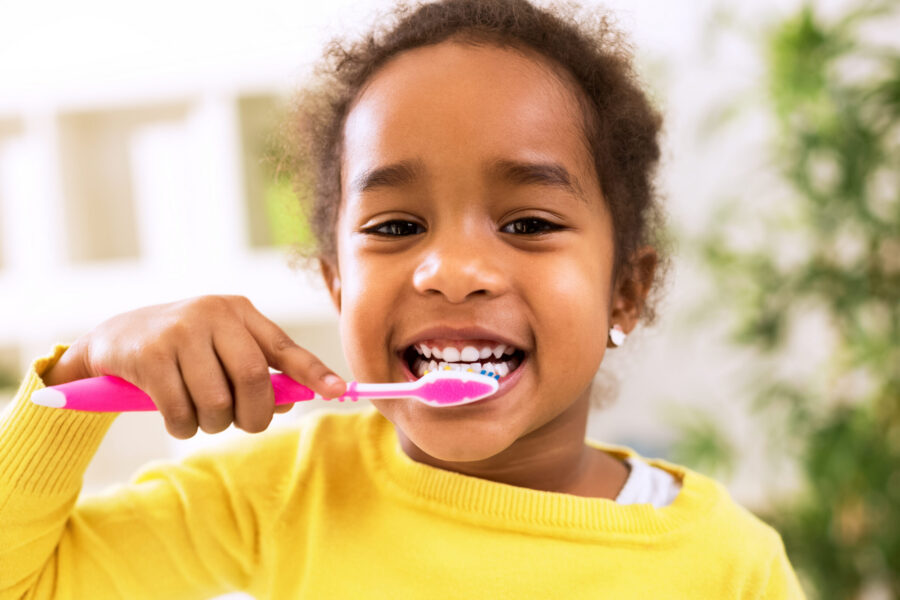
Good oral health habits from a young age can help set babies and children up for a lifetime of healthy smiles. NHS Mid and South Essex established the Bright Smiles Child Oral Health Improvement Programme. This aimed to encourage families and children to take care of their teeth and offer toothbrushing and oral health advice and training to parents, carers and early years frontline professionals.
The Early Years Oral Health Team delivered the programme, which started in Thurrock and expanded across mid and south Essex. The team has spoken to over 26,000 people, shared over 43,000 toothbrushing packages, and trained around 940 workers, volunteers, and adult students.
Brushing up on good habits with the Brush Bus
In February 2025, the Brush Bus visited Helping Hands Day Nursery in Tilbury, Thurrock, to share their supervised toothbrushing programme. This initiative in Thurrock, commissioned by NHS Mid and South Essex with support from local authorities, forms part of our wider programme to improve children’s oral health in mid and south Essex.
Helping Hands Day Nursery Director Sandra Francis told us:
We were eager to participate in the Brush Bus scheme to actively promote excellent oral health habits from an early age. This aligns with the Early Years Foundation Stage (EYFS) framework’s emphasis on children’s health and well-being.
During the visit, we gained some useful skills such as understanding the correct angles for effective toothbrushing and learning how to spot potential oral health issues early on. We also learnt how to make toothbrushing fun with songs, stories and activities and how to give appropriate advice to different ages.
After the Brush Bus visited, the nursery has continued to encourage good oral health. They provide healthy snacks and meals, display posters, regularly share information with parents and include oral health in stories, songs and imaginative play.
We generally offer supervised toothbrushing to children from two years old upwards, or as soon as they are developmentally ready and able to hold a toothbrush. This is done daily, usually after a meal or snack, to establish a consistent routine.
We’ve had positive feedback from parents, with many saying that their children are more enthusiastic about brushing their teeth at home and want to share what they have learned from the nursery.
Maintaining good practice
The Brush Bus also visited Quince Tree Day Nursery in South Ockendon, also based in Thurrock, last year.
Nursery manager Penny Sweetenham said:
We’ve always offered supervised toothbrushing twice a day for our pre-schoolers. We have about 30 three- to five-year-olds who attend over the week. The Early Years Oral Health Team asked if we wanted to take part in the scheme and we were happy to join in to learn new skills.
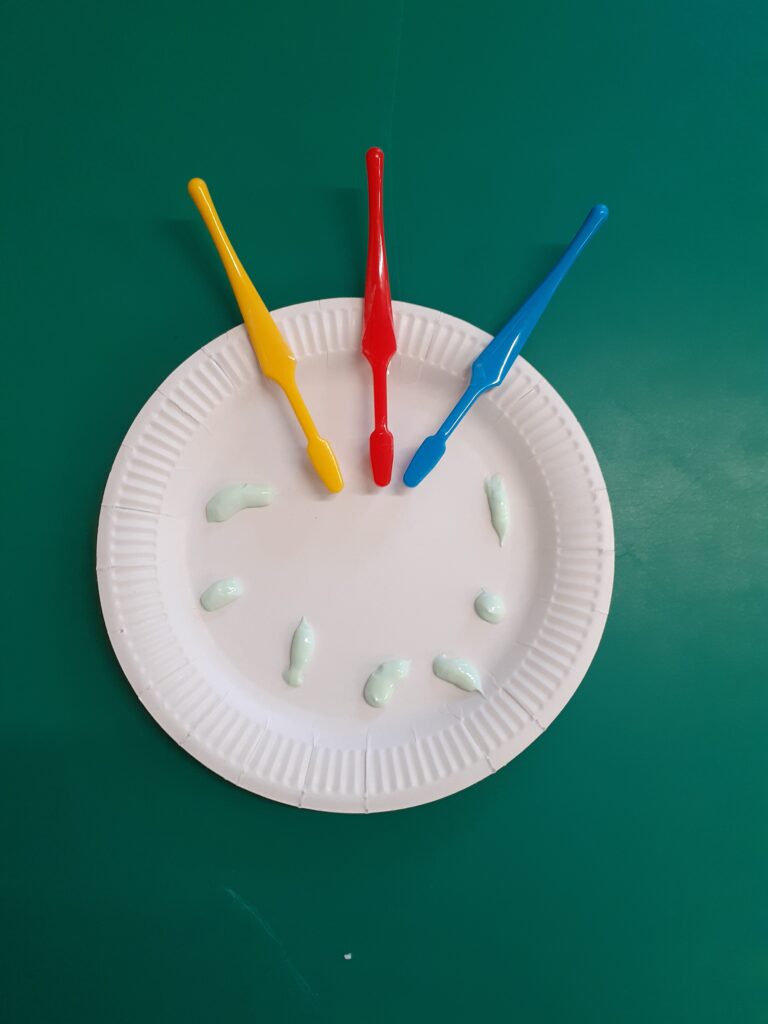
When the Brush Bus visited, they watched the pre-schoolers brushing their teeth. They gave us tips, such as putting toothpaste on paper plates so that the children could put it on their toothbrushes. The children had lots of fun and really enjoyed doing it themselves.
Why is good dental health so important
Parents and carers may find it difficult to brush their children’s teeth. This can be due to lack of time or trouble getting young children to brush their teeth.
Poor oral hygiene in children can affect their overall physical and mental health. Tooth or enamel decay can also lead to dental problems linked to serious health conditions.
Find more toothbrushing basics and other oral health advice