
Norovirus, often called the “winter vomiting bug”, is especially common during the winter months. Recent national data shows higher levels of norovirus activity than in previous years, meaning it is more important than ever to understand the symptoms, how to recover safely, and how to prevent spreading it to others.
Norovirus is highly contagious and spreads easily in places where people are in close contact, such as schools, workplaces, hospitals, and care homes. It can also spread in busy public settings like restaurants, holiday resorts, and public transport.
The good news is that most people recover within a few days by resting at home and staying hydrated. Knowing what to do can help you recover more quickly and protect those around you.
What are the symptoms of norovirus?
Symptoms usually start suddenly and may include:
- Nausea (feeling sick)
- Vomiting
- Diarrhoea
- Stomach cramps
- Headache
- A mild fever
- Aching limbs
Symptoms typically begin one to two days after infection and usually improve within two to three days.
How to look after yourself if you have norovirus
If you think you have norovirus, the most important thing is to rest and prevent spreading the virus.
Do
- Stay at home and rest until you feel better
- Drink plenty of fluids, such as water, diluted squash, or oral rehydration sachets
- Take paracetamol if needed to relieve fever, headaches, or aches
- Speak to a pharmacist or contact NHS 111 for advice if needed
Important: Avoid visiting your GP surgery, pharmacy, or A&E unless you have been advised to do so. This helps prevent spreading the virus to others.
How to prevent spreading norovirus
Norovirus spreads very easily, but good hygiene can help stop transmission.
Do
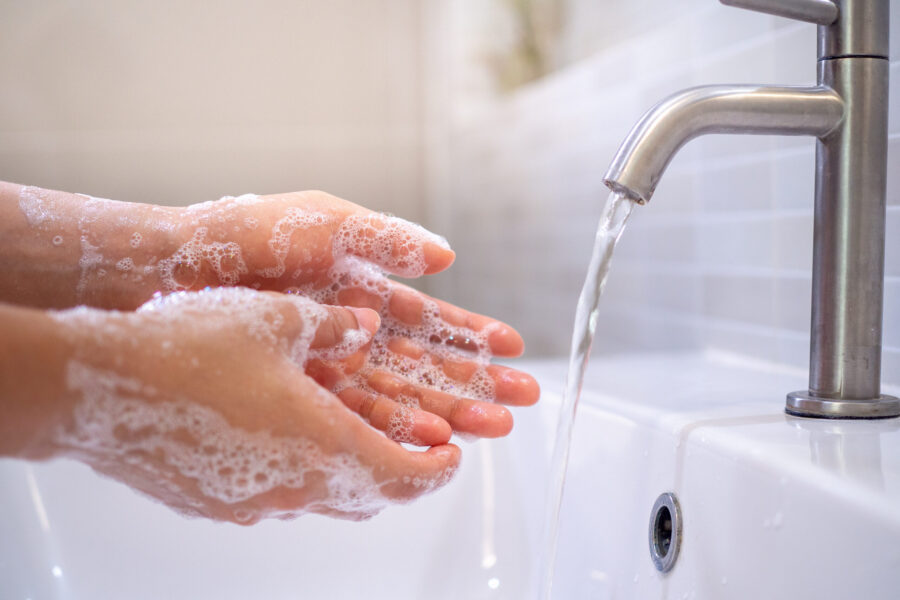
- Wash your hands thoroughly with soap and warm water, especially after using the toilet and before preparing food
- Avoid relying on alcohol hand gels alone, as they do not kill norovirus effectively
- Wash contaminated clothing, towels, and bedding at 60°C or higher
- Clean surfaces with bleach-based household cleaners
- Stay off work, school, nursery, or childcare until at least 48 hours after symptoms have stopped
- Avoid visiting hospitals, care homes, or vulnerable people during this time
Recovery and when to seek help
Most people recover fully within two to three days without medical treatment.
However, dehydration can be more serious for:
- Babies and young children
- Older people
- People with long-term health conditions
- People with weakened immune systems
Contact your GP if:
- You have blood in your diarrhoea
- Your symptoms last longer than expected
- You have a serious underlying health condition
Contact NHS 111 if
- You or your child cannot keep fluids down
- There are signs of dehydration, such as fewer wet nappies, dry mouth, or dizziness
- Vomiting lasts more than two days
- Diarrhoea lasts more than seven days
Call 999 or go to A&E immediately if:
Vomit contains blood or looks like coffee grounds
- Vomit is green or yellow-green
- You have a stiff neck, sensitivity to light, or a sudden severe headache
- You have severe abdominal pain
- You suspect poisoning
Protect yourself and others
Norovirus can be unpleasant, but most people recover quickly with rest and fluids. Staying at home until you have been symptom-free for 48 hours and practising good hand hygiene are the most effective ways to protect others.
For more advice, visit NHS.uk or contact NHS 111.