
Section 1: What is a Physical Health Check?
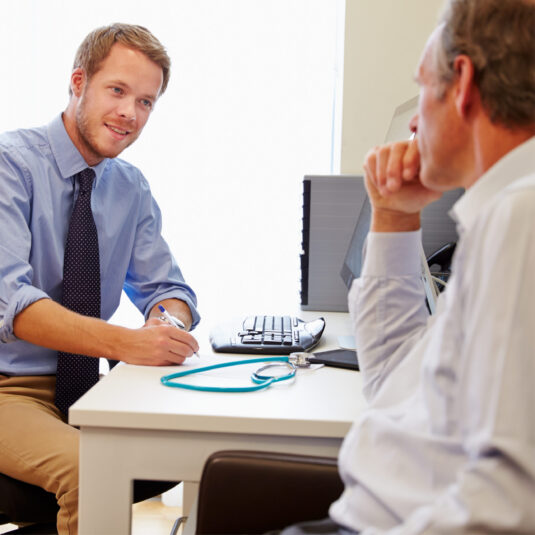
A Physical Health Check is for someone with a severe mental illness.
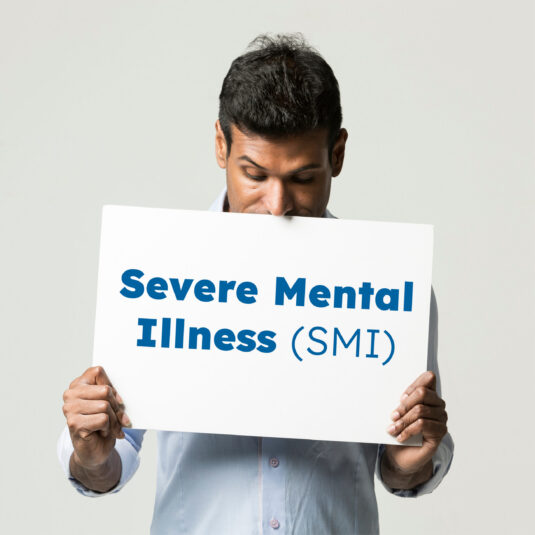
This could be things like schizophrenia, bipolar, psychosis or severe depression amongst others.

A physical health check is usually done by a healthcare professional once a year.

You can get a Physical Health Check if you are aged 18 or over.
The check is done to maintain your physical health, alongside your mental health.

Your annual Physical Health Check can lead to better health and improve your overall quality of life.

Why is it good to have a Physical Health Check?

You can talk to a health professional about anything concerning your physical health.
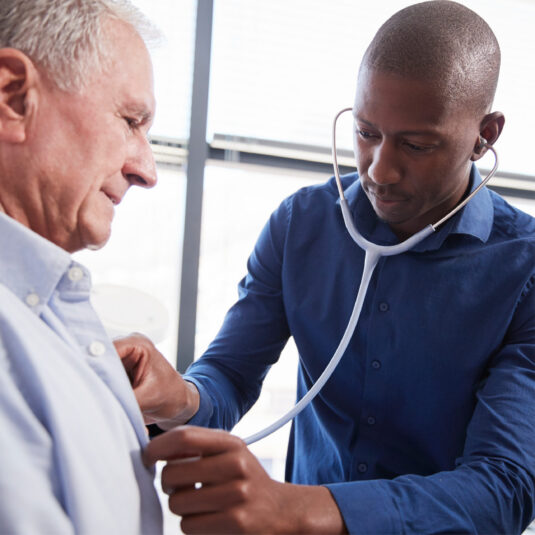
The check is an opportunity to address any physical health issues you may have.

It allows you to be more informed about your own physical health.
Section 2: What happens at a Physical Health Check?

The health professional will:

Measure your blood pressure
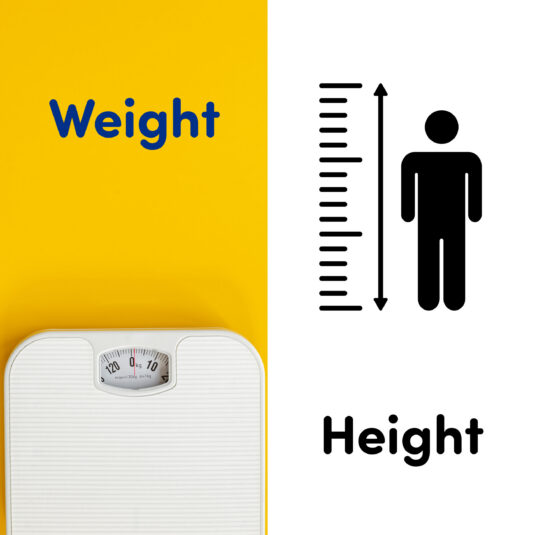
Measure your weight and height

Ask questions about your lifestyle.
For example, whether you smoke or drink alcohol, and if so how much.
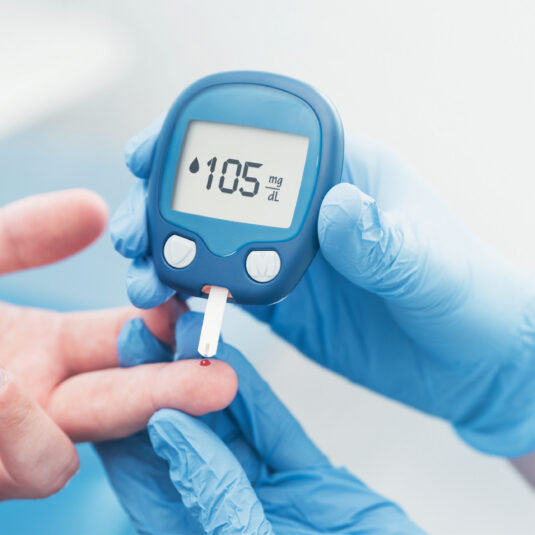
Arrange a blood glucose test. This is to test your blood sugar levels.
This may be offered to you during the Health Check.

Arrange a cholesterol check through a blood test.
Too much cholesterol can be bad for your health.
This may be offered to you during the Health Check.
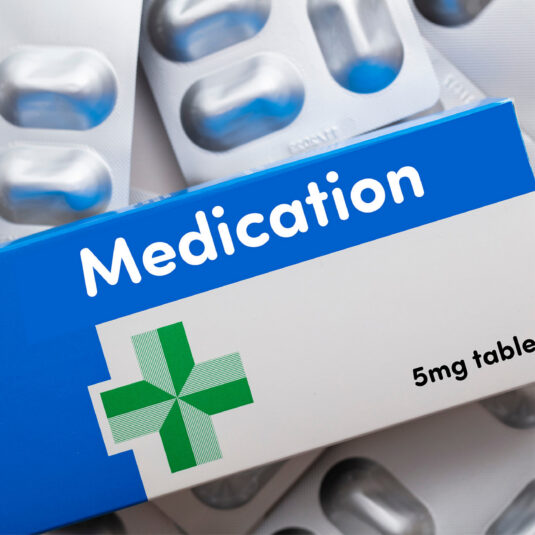
Ask you about any medications you are taking.

Give advice for healthy living.

Talk to you about the blood test part of the Health Check.
Section 3. The blood test part of the Physical Health Check
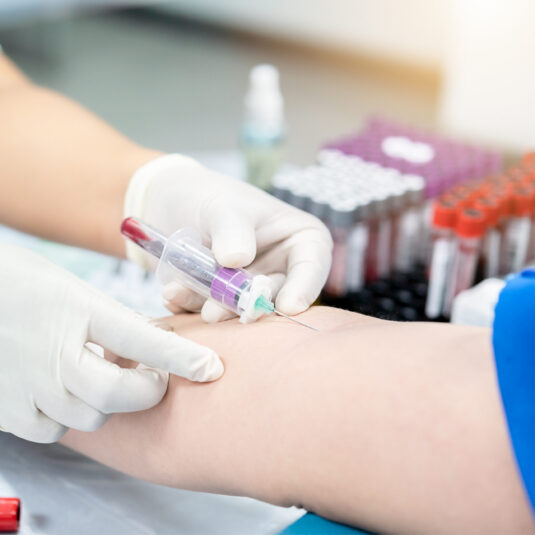
Your GP practice will ask you to book a blood test when they invite you for your Physical Health Check.
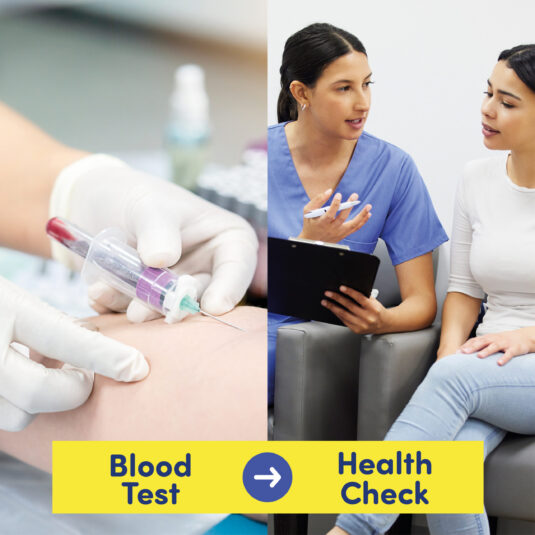
Try to get the blood test done one week before your Health Check if possible.

Why do I need to get a blood test?

Your blood will be tested for any health concerns.

The results will help the health professional see how healthy you are.
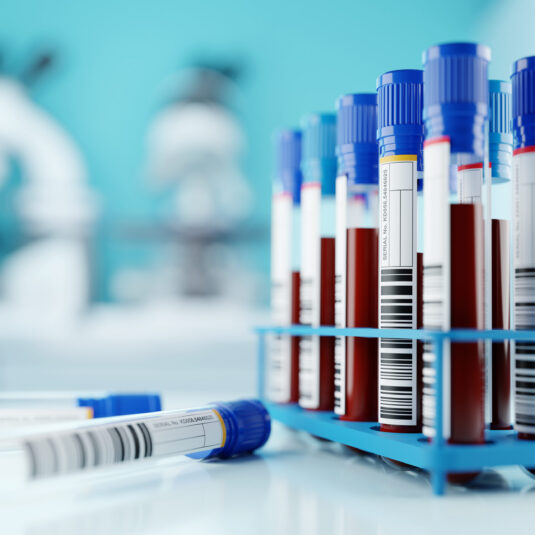
Your health professional can only get this information through this blood test.
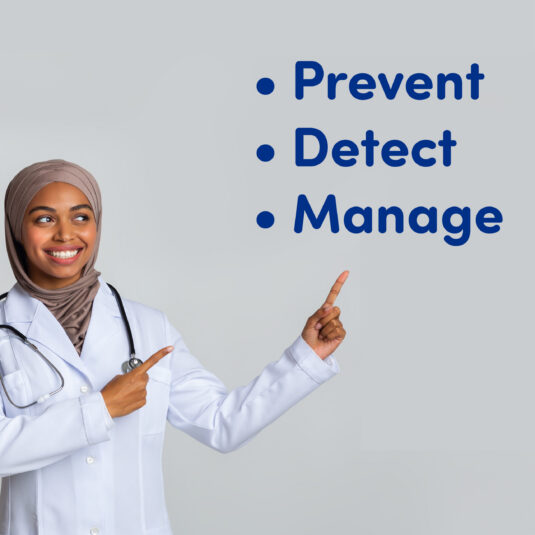
This is important to help prevent, detect and manage common physical health problems as people with a Severe Mental Health illness are at a higher risk

How do I get a blood test?

Your healthcare professional will tell you how to book a blood test when they invite you for your Health Check.

You can choose where to have it done.
There are lots of places to choose from.

You can speak to someone at your GP surgery to find out if there are other places.
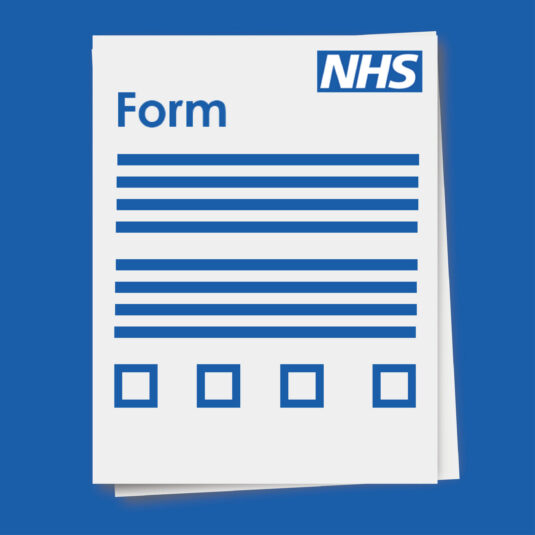
The doctor or nurse will give you a form.
You should bring this form with you to the blood test.

The form has a phone number you can call to book your test.
The form also has a website link if you prefer to book your test online.
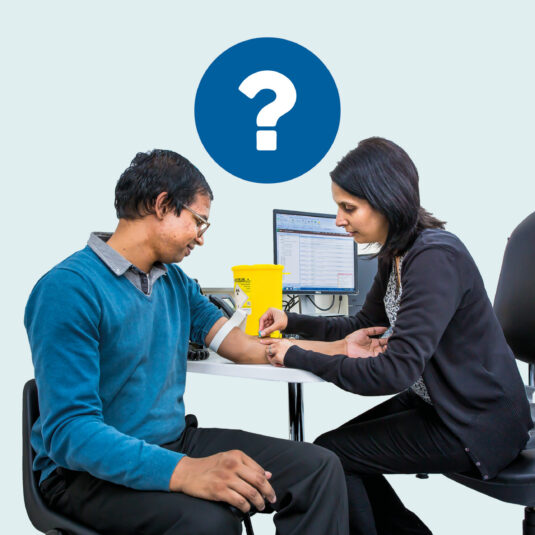
What happens during a blood test?
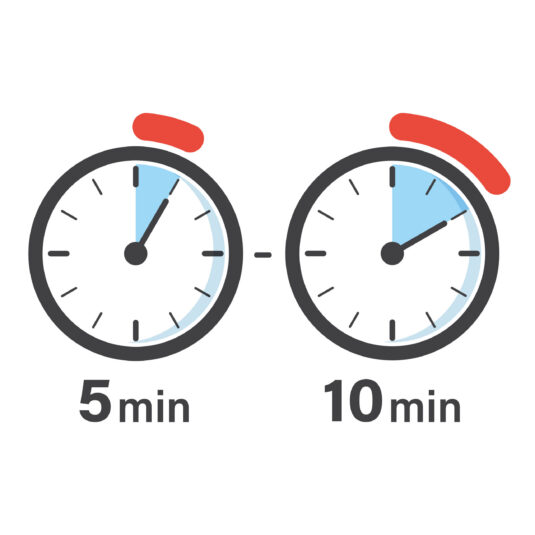
The test will take between 5 to 10 minutes.
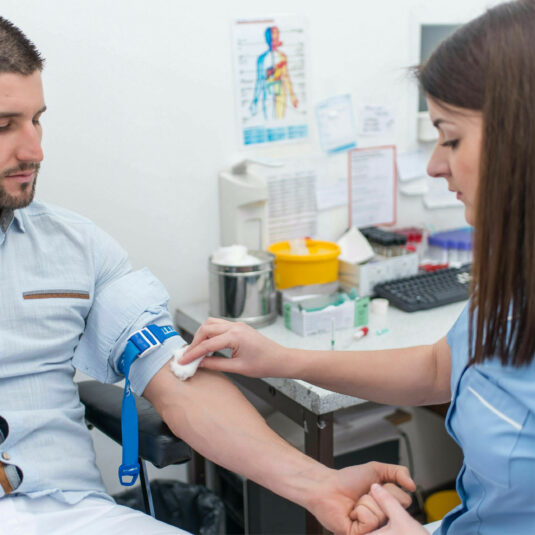
Your arm will be cleaned before it starts.
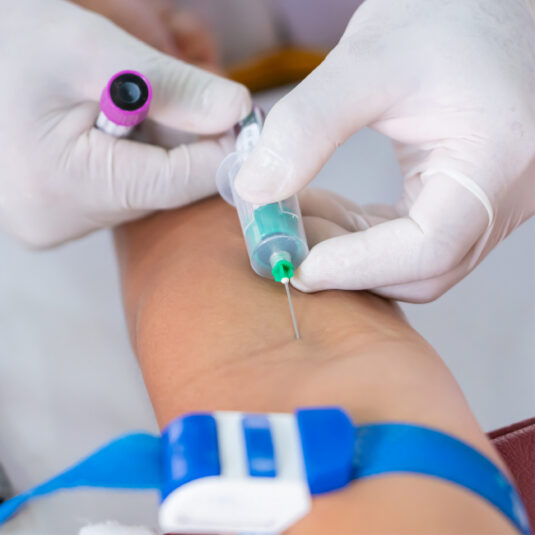
A needle will be used to take blood from your arm.

You can bring someone with you for support if you’re anxious or don’t like needles.
Section 4. What happens after a Physical Health Check?

Together with a healthcare professional, you will talk about the results and agree next steps.
Things like:
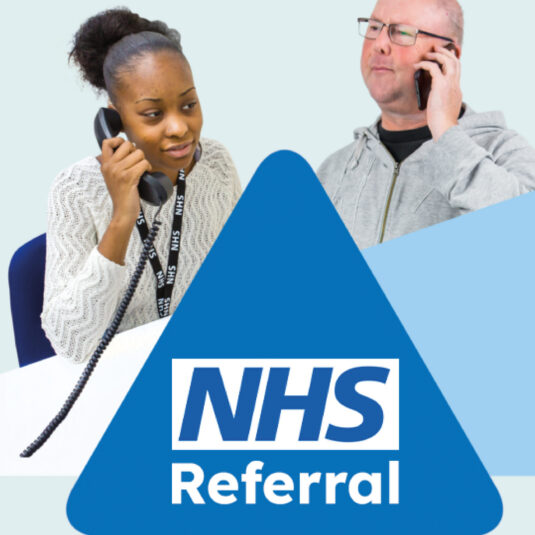
Referrals to other services.
For example, stop smoking or weight management services.

Talking about personal physical health goals.

Getting help and support to be more healthy.
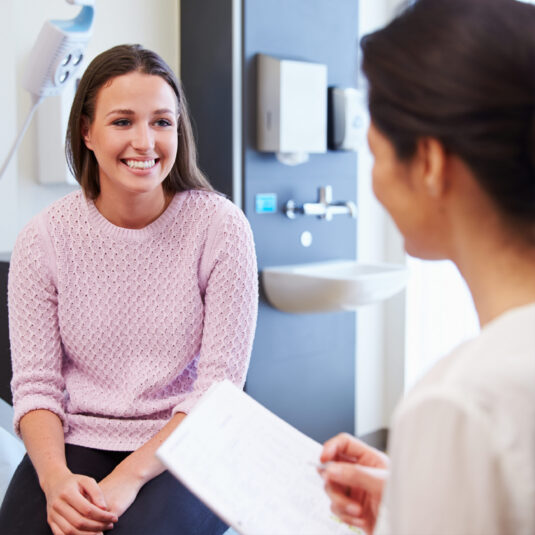
Helping you to set goals for the future and supporting you with any worries or concerns.

Reminding you to make an appointment for another check in 12 months’ time.

Helpful tips for your Physical Health Check

Ask the health professional to explain anything you do not understand.
Agree with the health professional what the next steps are.

Think of a Physical Health Check as an MOT and expect to have one every year.
The information in this booklet was adapted from an original written by The Race Equality Foundation and Lewisham Speaking Up.
This document has been co-produced with: Hannah Burton, Lucy Carter, Kehinde Adeniji, Rosie Williams, Tina Starling, Kristen Hall and Reg Rehal.
Members of the Thinklusive Advisory Group have also helped to make this easy-read information.
For more information:
Visit the NHS website: Annual health check for people with severe mental
health conditions
Visit our website: www.essex.icb.nhs.uk
- Email:
- [email protected]