
Section 1: Winter bugs

Your child’s body can fight off many winter bugs on its own.
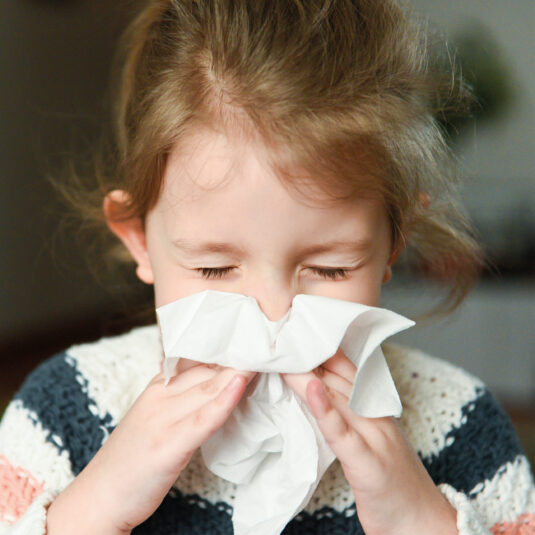
Their body can usually manage coughs, sore throats and earaches without medicine from the doctor.

But flu is different – it can weaken even the strongest body.
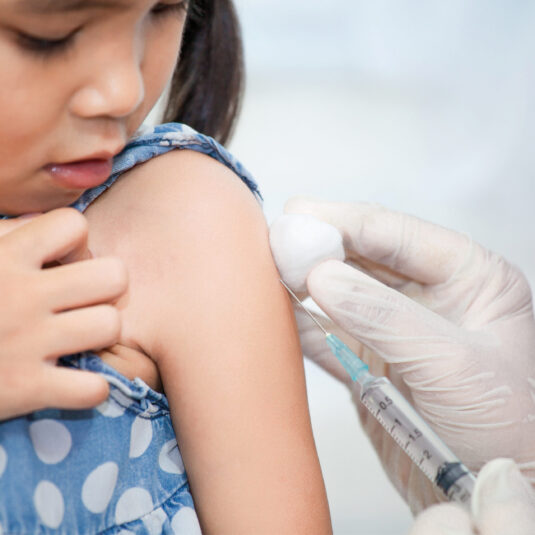
That’s where the flu vaccine comes in.
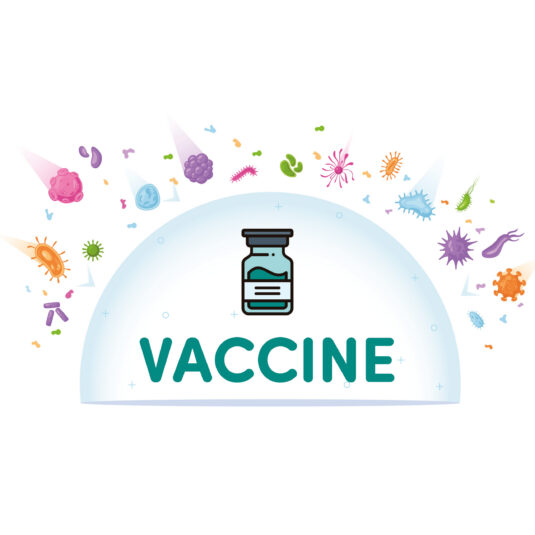
A vaccine is medicine that helps your body to fight an infection in the future.

The flu vaccine helps your child’s body stay strong, giving them extra power to stay healthy this winter.

Why the flu vaccine matters?
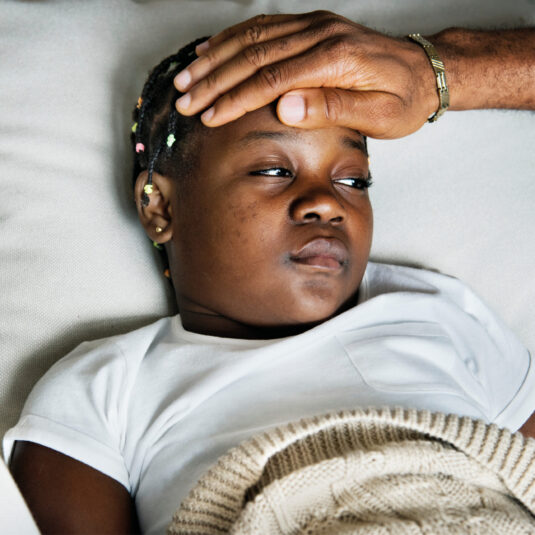
Flu can be serious.
Unlike common colds, flu can make children very unwell.

Every year, children are admitted to hospital with a serious flu illness.
Sadly, some children die from flu.
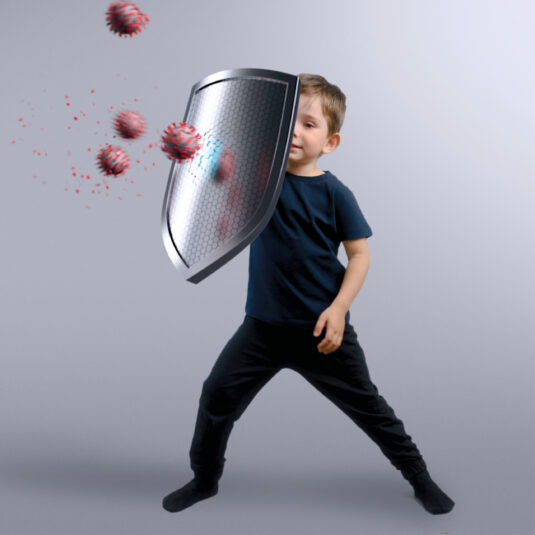
The free flu vaccine helps protect your child and those around them.
It’s quick and easy.
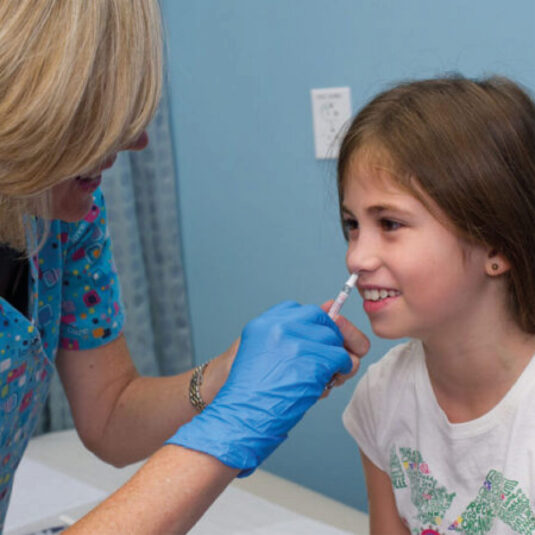
Just a simple nasal spray – no needles!

It’s often given at school or your GP surgery, making it easy for busy families.

The flu vaccine is safe, doesn’t cause flu, and is recommended every year.

It has been given to millions of children across the UK.

Who can get the free flu vaccine?

For children aged 2 to 3 years
(Born between 1 September 2021 and 31 August 2023)

Available at your GP surgery or Pharmacy

You will get an invitation in autumn or early winter.

School-aged children
(Reception to Year 11)

Given in school during the autumn term.

Missed it? Home-schooled?
Speak to the Essex NHS by calling 0300 555 5055 – select option 6.

4-year-olds not yet at school can get it via their GP.
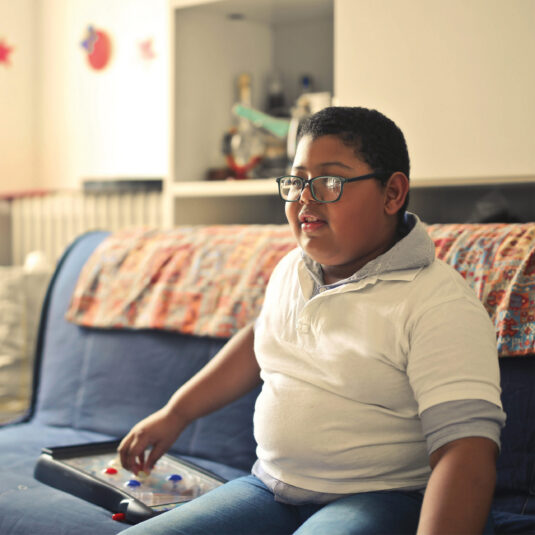
Children with long-term health conditions
(6 months to 17 years)

For example:

Asthma – needing steroid inhaler/tablets
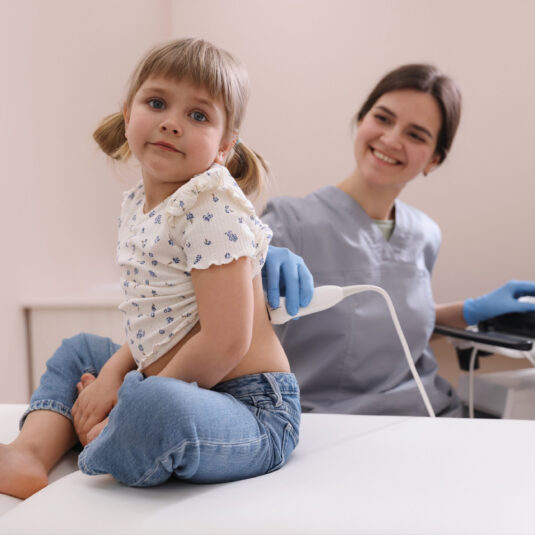
Cystic fibrosis, heart or kidney disease

Diabetes, weakened immune system, or sickle cell

Brain or nerve conditions – like cerebral palsy

Learning disability

Check with your child’s GP if you are not sure if your child has a long-term health condition.

Pregnant?
Sample text. Add the custom text here.

Protect your baby before they are born.
From 28 weeks, you can get the RSV vaccine to help protect your baby.
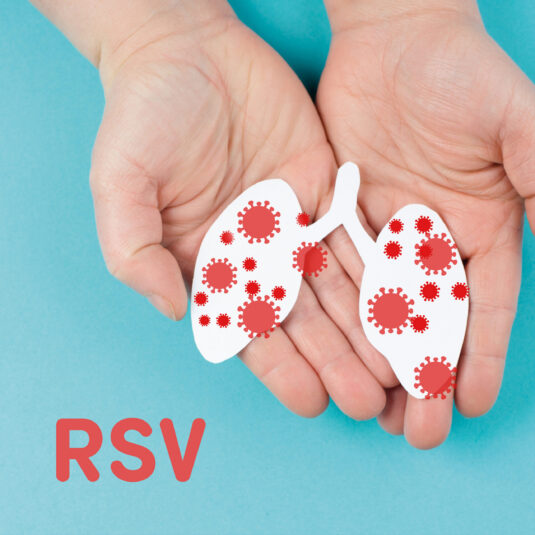
RSV is an illness that makes you cough and have a runny nose. It can also make breathing difficult.

It can cause serious illness in your newborn baby.
Section 2: Protecting your whole family

When your child has had the flu vaccine, you are not just protecting them.
You are also helping to protect:

Babies who are too young to be given a vaccine

Grandparents who can’t easily fight off infection

Parents who have diabetes or heart disease or other illnesses

All of your community by stopping flu spreading.

Children often bring infections home from school and nursery.

Your child’s flu vaccine helps protect the whole family.
Some questions answered

Will the vaccine weaken my child’s body?
No – the vaccine trains their body to be stronger against flu.
And – still allows it to fight off other winter bugs by itself.

Is it really necessary?
Yes – Flu spreads quickly in schools and nurseries and can make children very unwell.
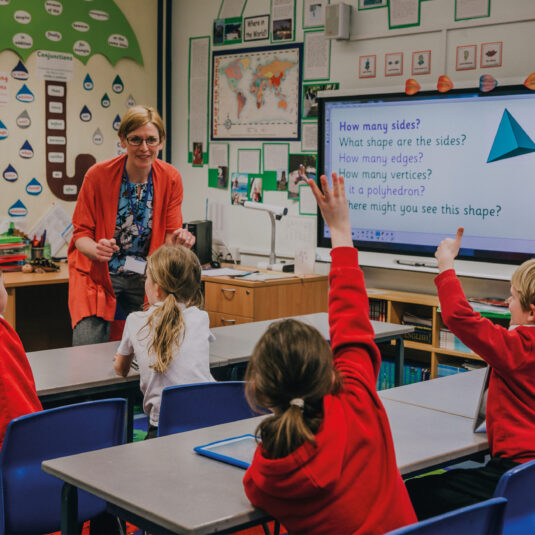
Thousands of parents across Essex choose to protect their children with the flu vaccine every year.

What about side effects?

What about side effects?
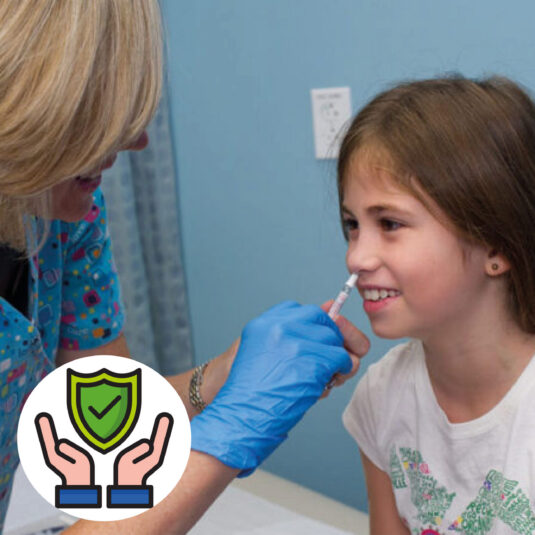
The nasal spray vaccine is very safe.

Some children may get a runny nose or feel a bit tired, but serious side effects are extremely rare.
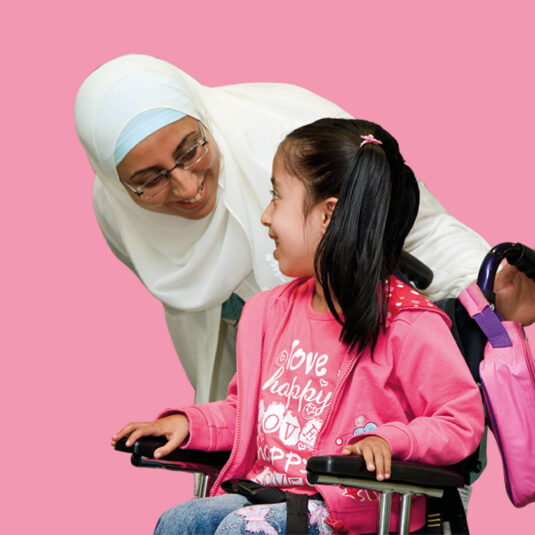
My child has a long-term condition – is it safe?
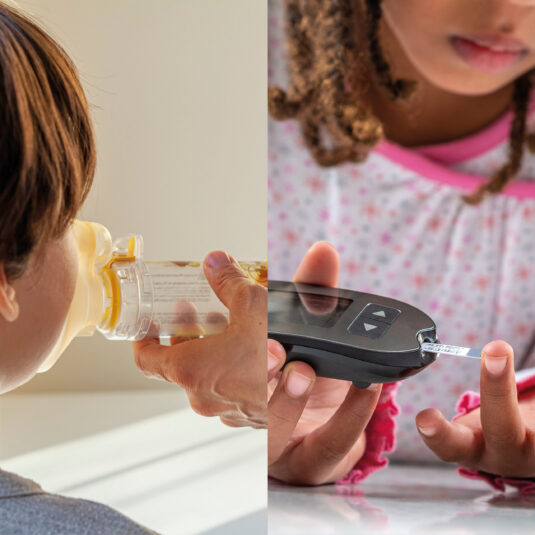
Children with conditions like asthma or diabetes are more likely to get the flu.

This means it is more important that they have the vaccine.

Speak to your consultant or practice nurse if you are worried.

Is there an alternative to the nasal spray?

The nasal spray vaccine contains a small amount of gelatine from pigs.
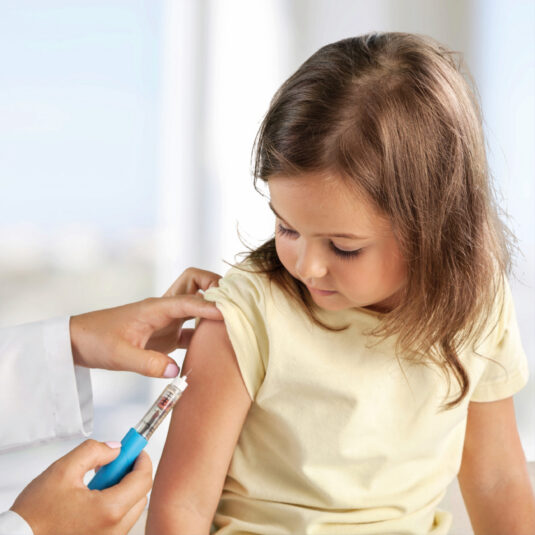
A flu vaccine injection is available that does not contain gelatine.

If you do not want your child to have the nasal spray vaccine:

speak to the person who is giving the vaccine to your child
Or

ask for the flu vaccine injection on the school consent form.

Children who cannot have the nasal spray vaccine and children under the age of 2 years will also have a flu vaccine injection.
Section 3: Common winter illnesses

Your child’s body is brilliant at fighting off common winter illnesses.
Most children get better on their own with rest, liquids and time.
Coughs
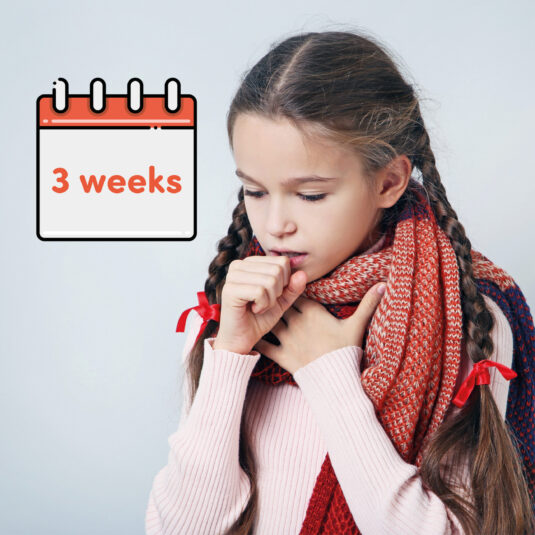
Coughs are common in winter. They can last up to 3 weeks.
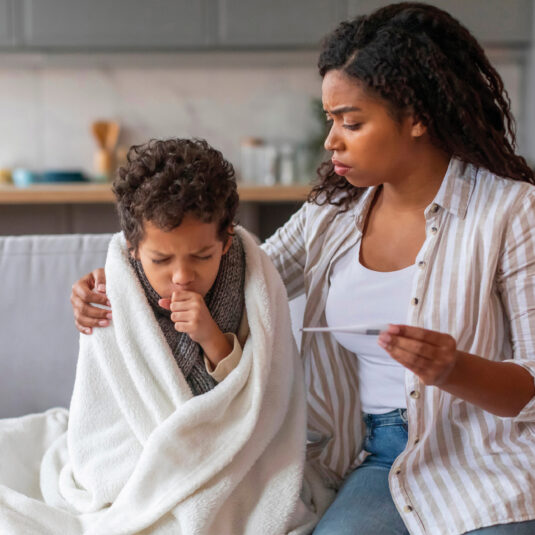
They can sound dry, chesty or wheezy.
What helps…

warm drinks and honey (over age 1)

giving your child enough to drink

opening windows briefly to get some fresh air.
When to ask for help…

if breathing is noisy or your child is finding it difficult to breathe.
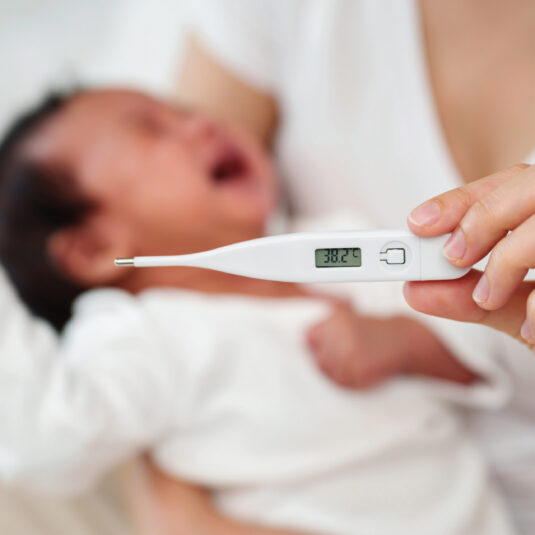
high temperature (fever) of 38C or more, lasting more than 5 days.
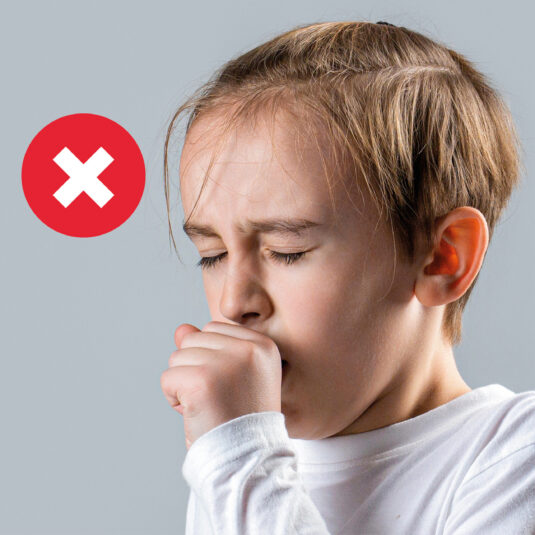
cough getting worse rather than improving.
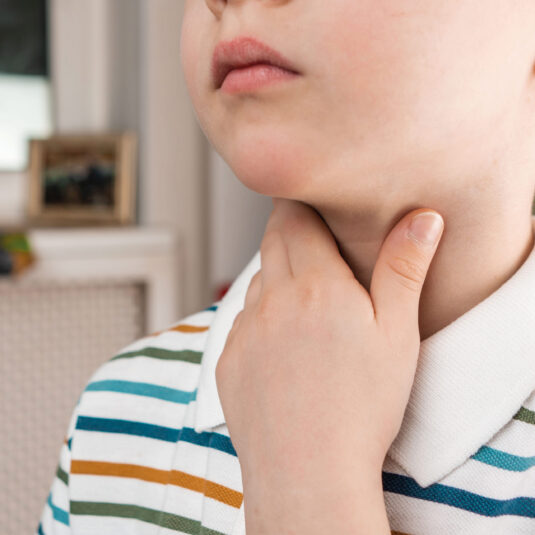
Sore throats
A sore throat usually gets better on its own.
Most clear up within 7 days.
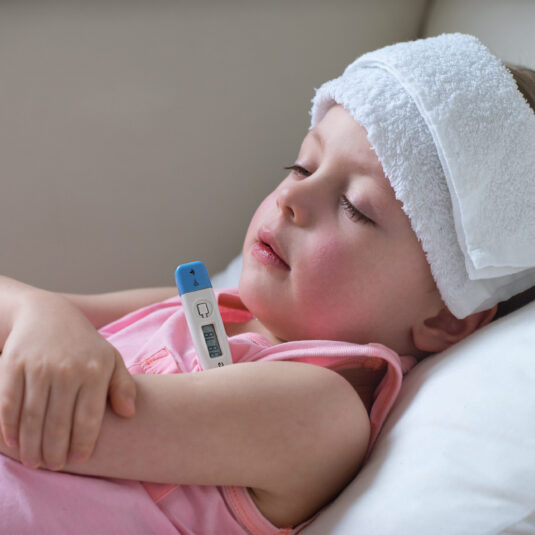
Sore throats may come with a runny nose, cough or mild fever.
What helps…
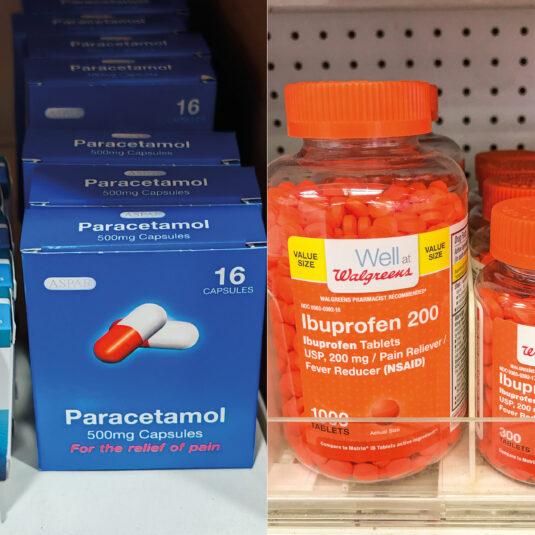
paracetamol or ibuprofen for pain

cool drinks and soft foods

plenty of rest.
When to ask for help…
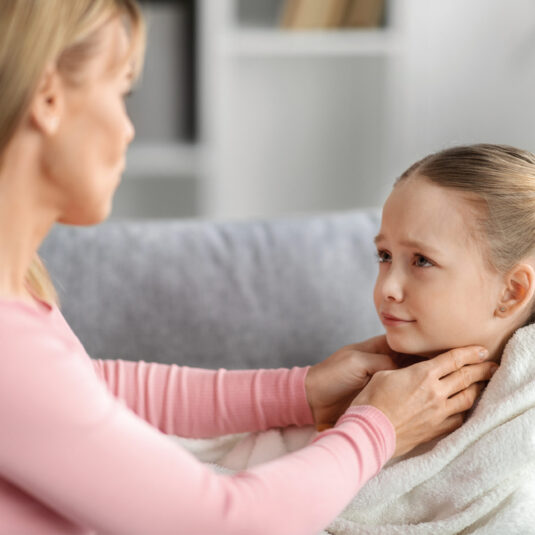
if your child can’t swallow, is drooling or has a stiff neck
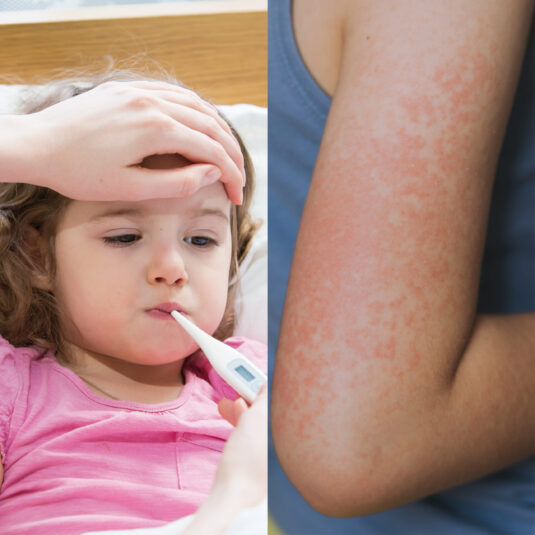
if your child has a very high fever or rash.

Earache
Many earaches clear up without needing medicine.
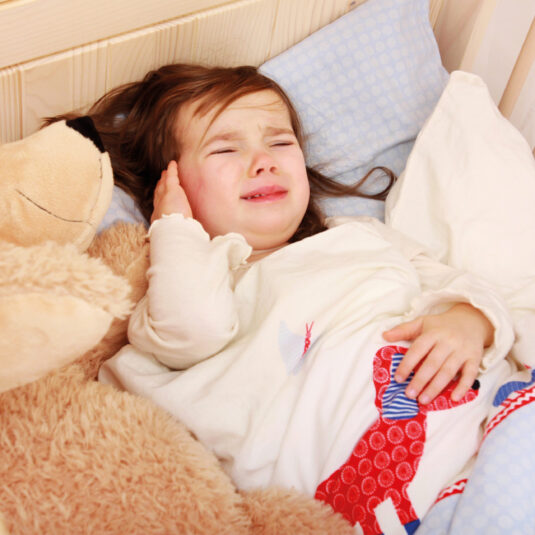
Earaches often follow a cold.
They can cause pain or difficulty sleeping.

They usually go away after about 8 days.
What helps…
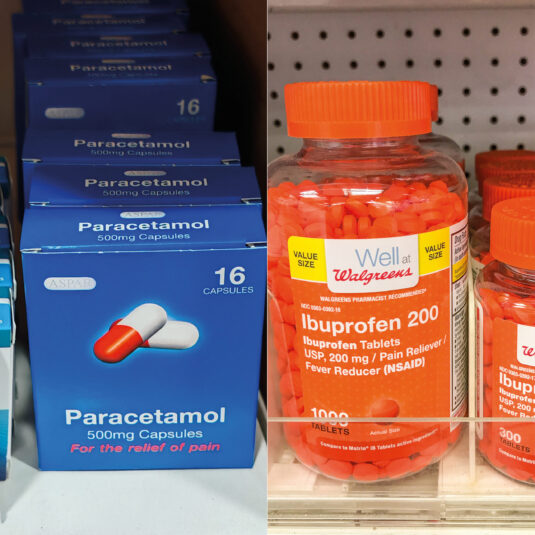
paracetamol or ibuprofen for pain
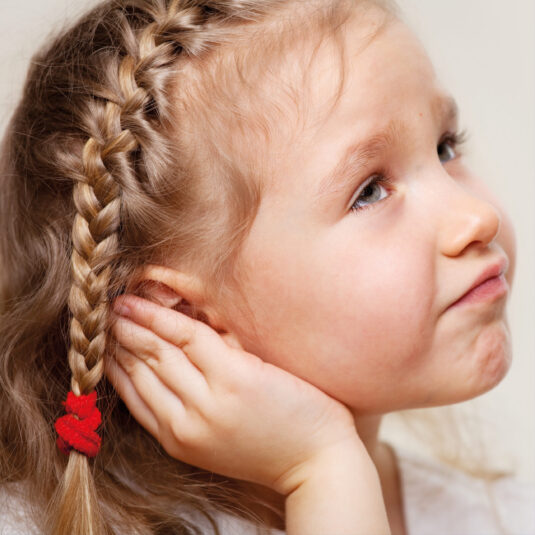
a warm compress against the ear.
When to ask for help…
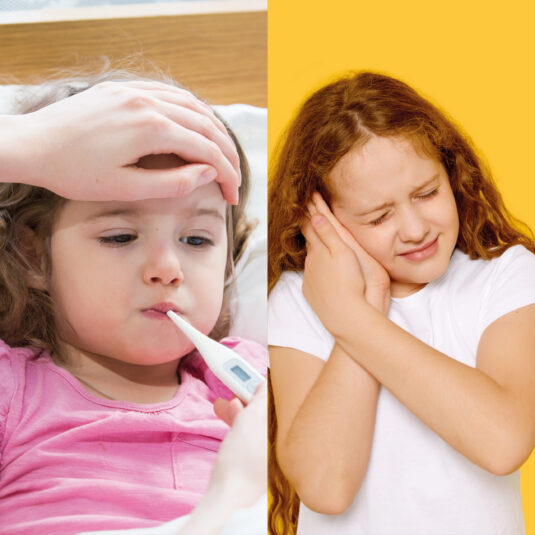
high fever or a weeping ear

earache lasting more than 3 days (?)
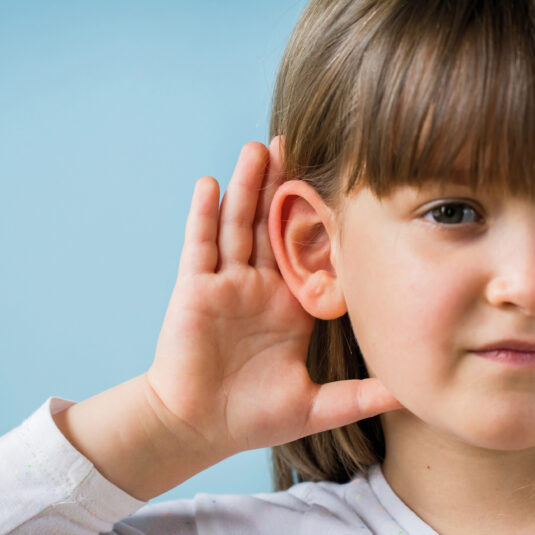
repeated ear infections or you are worried about your child’s hearing.
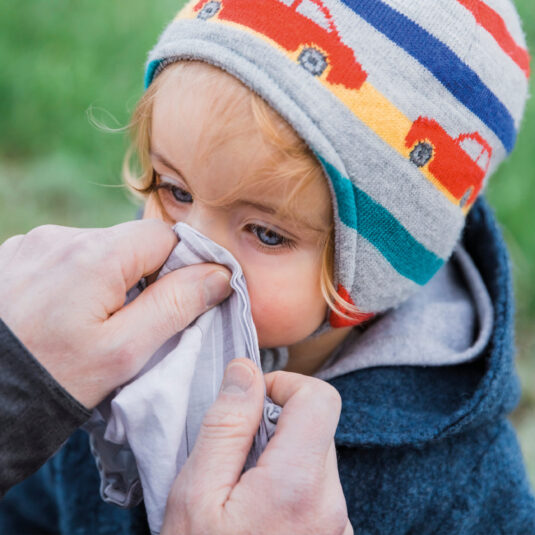
Colds and runny noses
Colds and runny noses include sneezing, mild cough and a low fever.

They can last for between 5 and 10 days.
What helps…

water and other drinks and rest
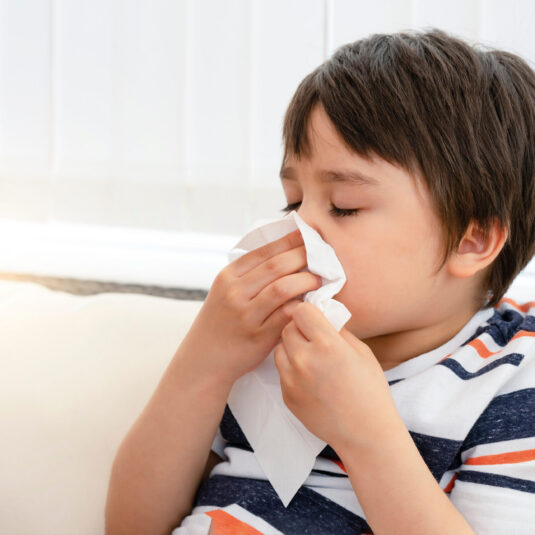
gentle nose-wiping
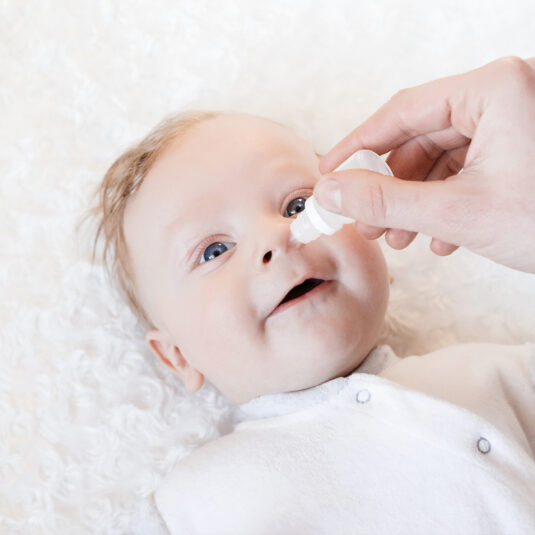
Nose drops can help babies breathe more easily.
When to ask for help
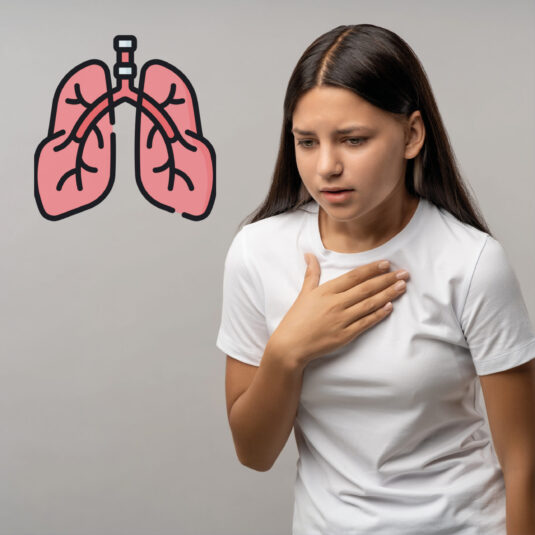
if your child has problems breathing
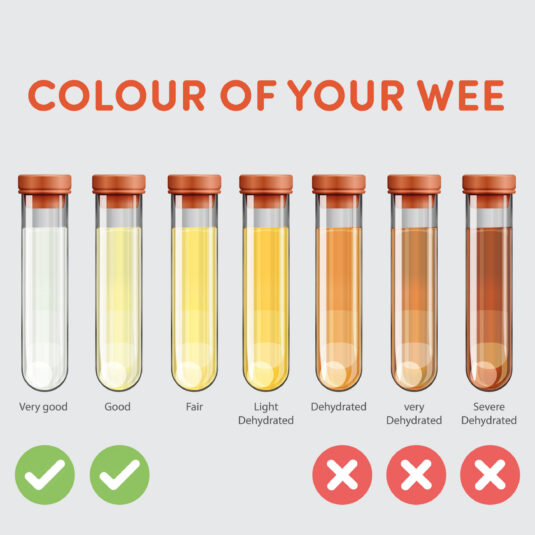
signs of not having enough liquid, like feeling thirsty, dark yellow, strong smelling pee, or peeing less often than usual

if your child is very drowsy.
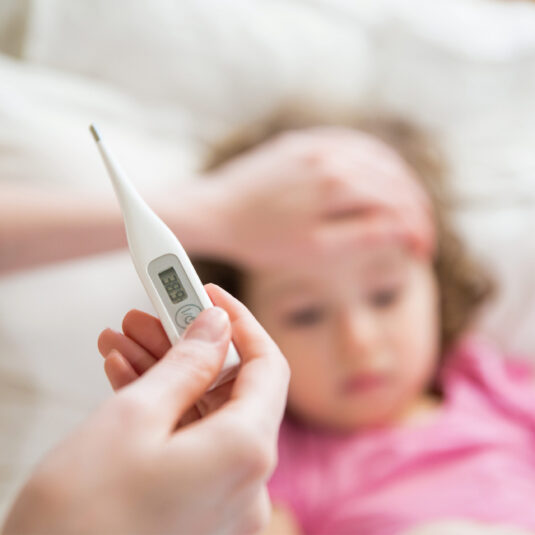
Fevers
A fever is a sign the body is fighting infection. It doesn’t always mean something serious.
Fevers can cause a temperature over 38°C and it may come and go over a few days.
What helps…

water and other drinks and rest
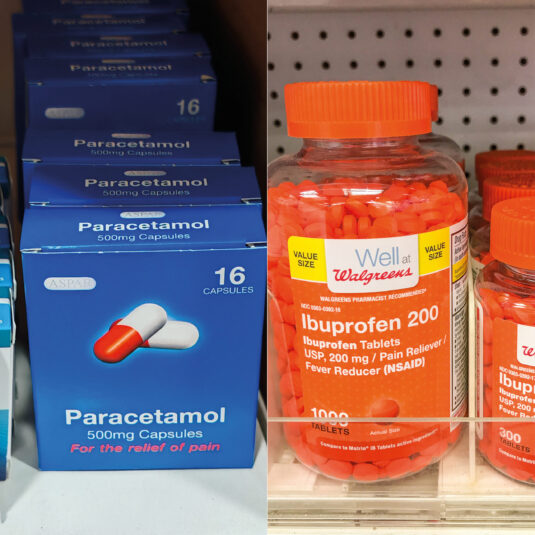
paracetamol or ibuprofen if your child seems uncomfortable.
When to ask for help…
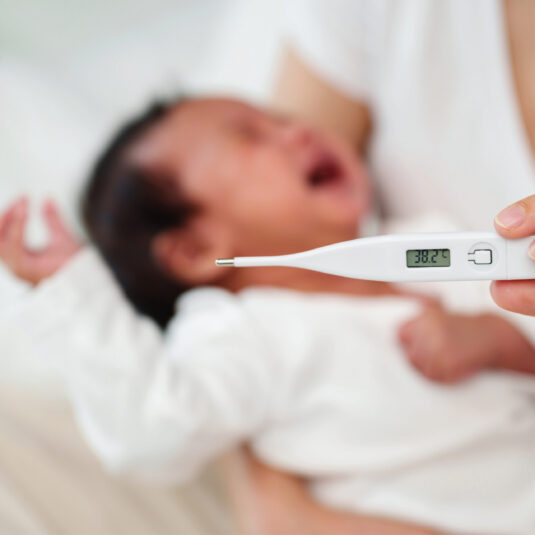
if your baby is under 3 months and has a temperature over 38°C
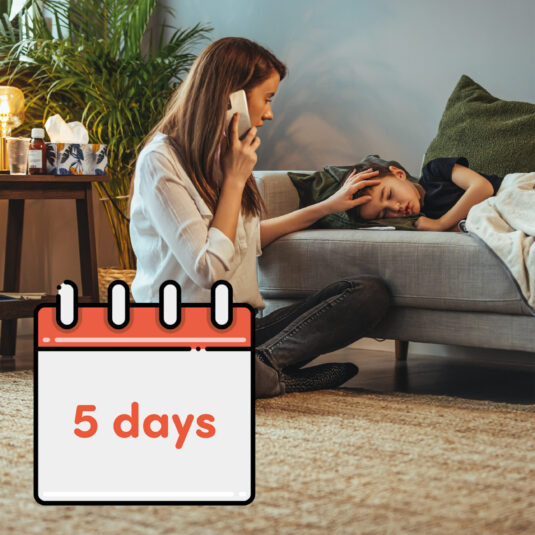
if the fever lasts more than 5 days
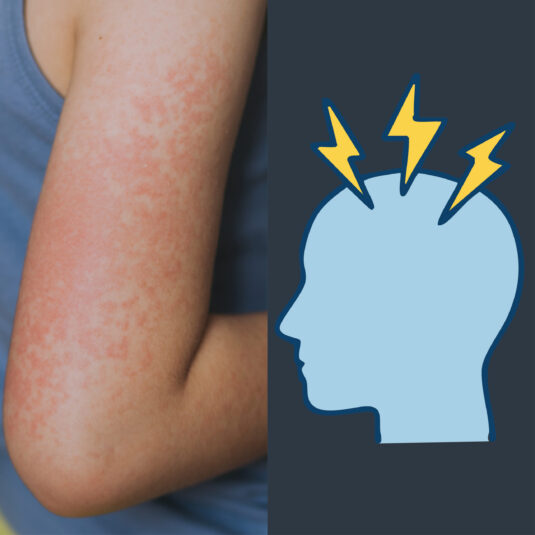
seizures, rash, or if your child seems seriously unwell.

For more information about childhood illnesses and knowing when to ask for urgent medical help visit:
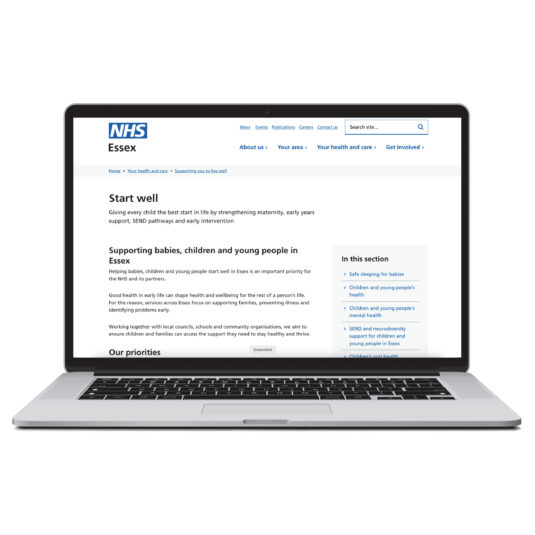
Start well page on the NHS Essex website
Section 4: What parents say…
As a mum of two, I’ve seen how quickly winter bugs can knock
kids off their feet – especially my youngest, who has asthma
and has struggled with his breathing since birth.
When he gets a cold, it’s not just a sniffle – it’s a real worry.
So when the school offered the flu nasal spray, it was a
no-brainer to protect him, and his older brother too.
I’ll be honest, I thought it might be an injection at first, and
I was worried it would upset them. But the leaflet from the
school’s immunisation team explained everything clearly. It
reassured me, and the boys were thrilled with their stickers
afterwards!Getting them vaccinated felt like the right thing to do. It’s not
Parent of two boys aged 5 and 7:
just about protecting them, it’s about keeping life on track.
When your child is ill, everything stops: sleep, work, school,
peace of mind. For the sake of a quick ‘spritz’ up the nose,
you can save your family a lot of stress…we’ll definitely be
doing it again this year.”
I’m a grandmother to seven wonderful grandchildren.
Gill from Billericay
I’ve always encouraged my children to get them vaccinated.
When I was younger, illnesses like measles could kill.
I think people have forgotten how dangerous childhood
diseases can be…my daughter was a bit unsure at first,
especially when her children were very young, but she
decided to go ahead. My advice? Ask questions, get advice,
and understand why it matters.
These vaccines are here to keep your children well.”
Section 5: Where to get help
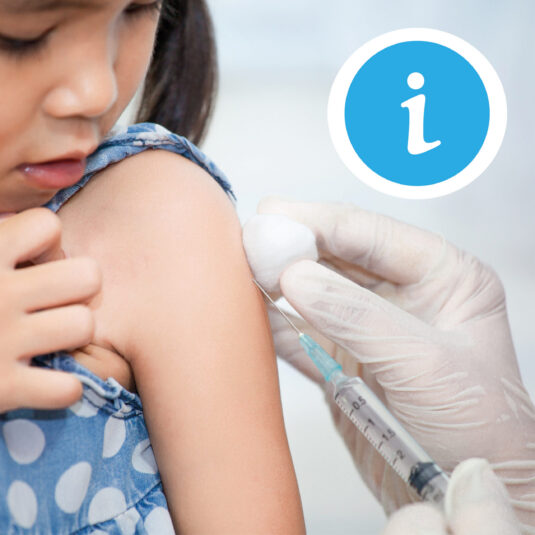
For flu vaccine information:
Sample text. Add the custom text here.

Ask at your child’s school

Contact your GP surgery

Speak to your health visitor (under 5’s)

Speak to the children’s immunisation and vaccination service

Speak to a pharmacist.

If you are worried about symptoms:

Trust your instincts – you know your child best
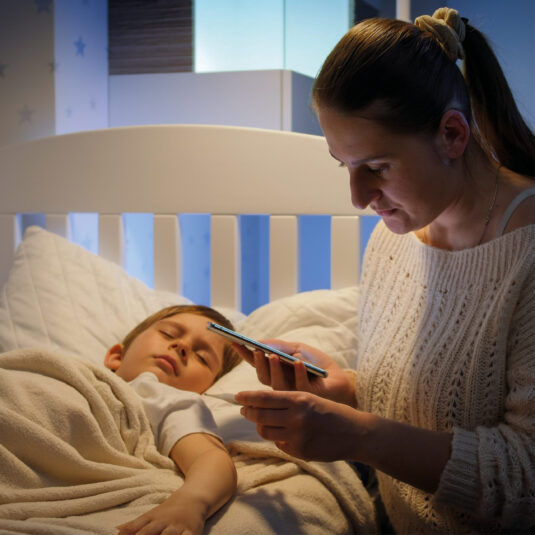
Contact your GP or call NHS 111

If it’s an emergency, call 999 or go to your nearest A&E for immediate help from specialist staff.
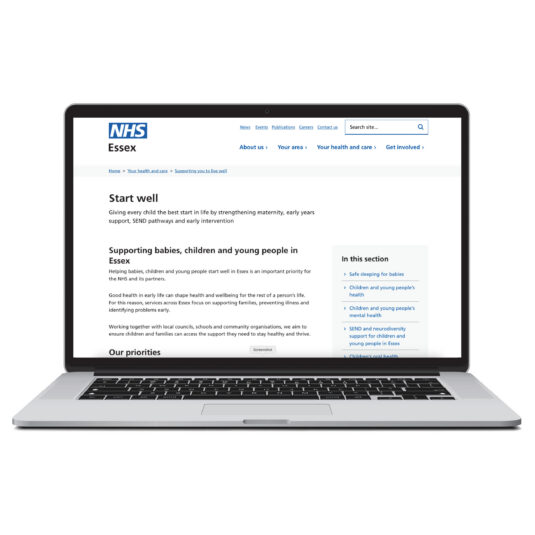
For more information about keeping your child safe this winter visit:
Start well page on the NHS Essex website