
Find simple advice to help keep your child well this winter, including how to prevent illness, spot signs they may be unwell, and where to get help if you need it.
Section 1: Pregnancy

Your baby’s Super Body starts before you meet them.
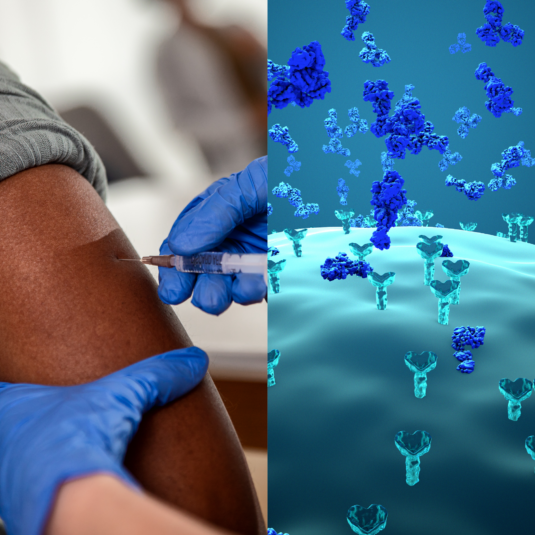
Vaccines help your body fight off infections.
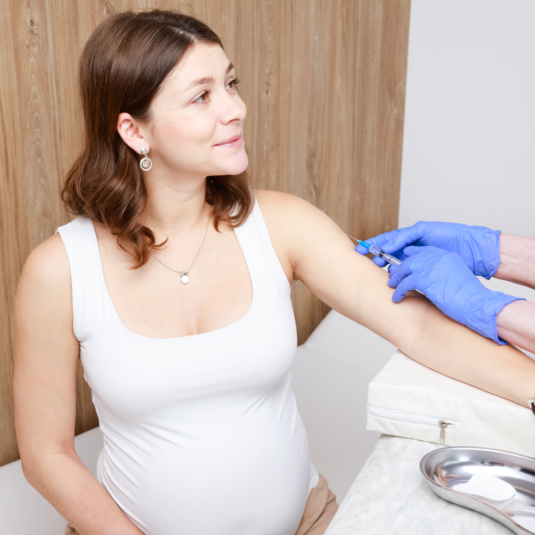
During pregnancy, vaccines can help protect both you and your baby from serious illnesses.
The protection you develop is passed to your baby before birth.

This helps to keep your baby safe during their first few weeks and months of life.
Section 2: Help kickstart their Super Body
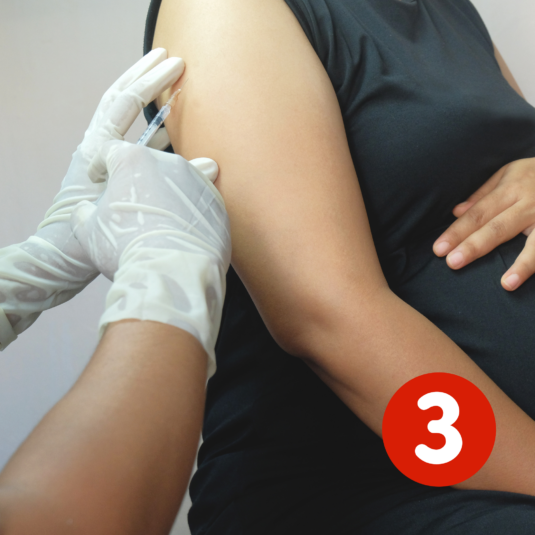
3 vaccines are offered during pregnancy to help protect you, your baby or both of you.

Whooping cough
Whooping cough can be very serious for young babies.

Many babies who become seriously ill catch it in their first weeks of life, before they can have their own vaccinations.

The vaccine is usually offered at around 20 weeks of pregnancy.
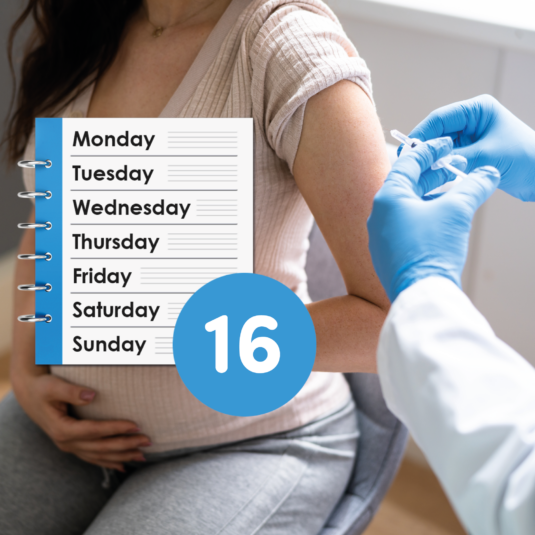
You can have it from 16weeks.
The antibodies you make pass to yourbaby before birth, helping protect them during their first few weeks.
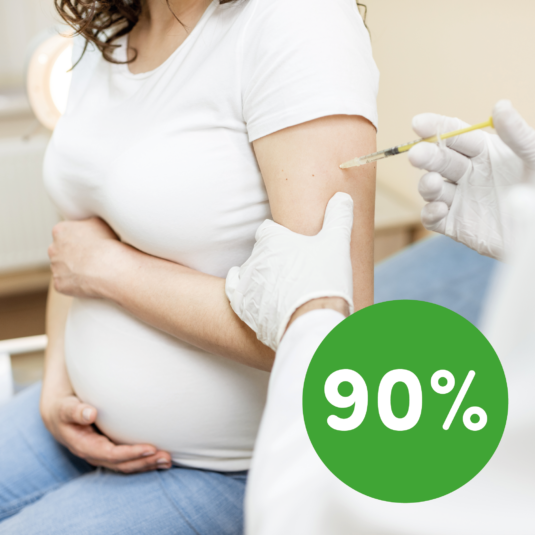
This vaccine is around 90% effective at preventing whooping cough in
newborn babies.
RSV
RSV is a common virus that can cause a serious lung infection called bronchiolitis
in babies.

The RSV vaccine is offered from 28 weeks of pregnancy.
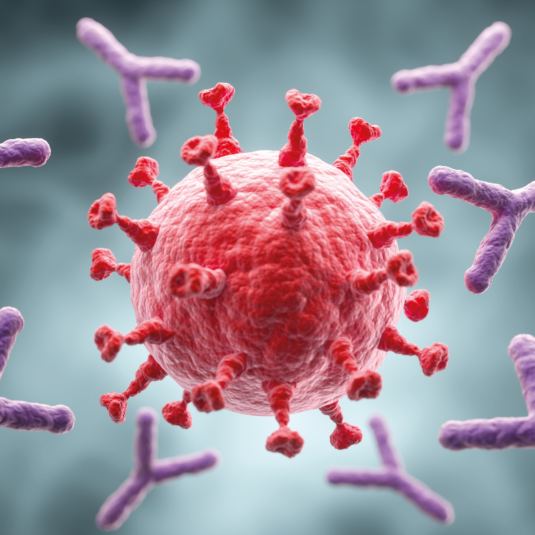
Antibodies pass to your baby before they are born and help protect them from RSV from birth.

The RSV vaccine provides a 70% lower risk of severe bronchiolitis during their first 6 months.

Flu
Flu can be more serious when you are pregnant and can cause complications for you and your baby.

You can have the flu vaccine at any stage of pregnancy during the fluvaccination programme.
It helps protect you from serious flu.
Antibodies also pass to your baby, giving them some protection during their first few months of life.
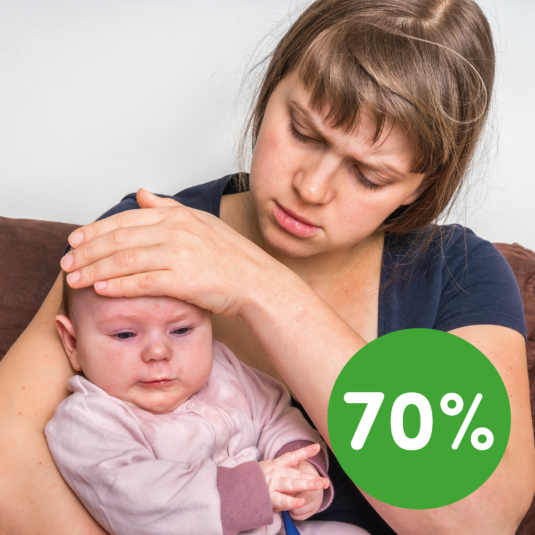
Babies are around 70% less likely to beadmitted to hospital with flu during their first 6 months if their mother had the flu vaccine during pregnancy.

Protection before they are even born
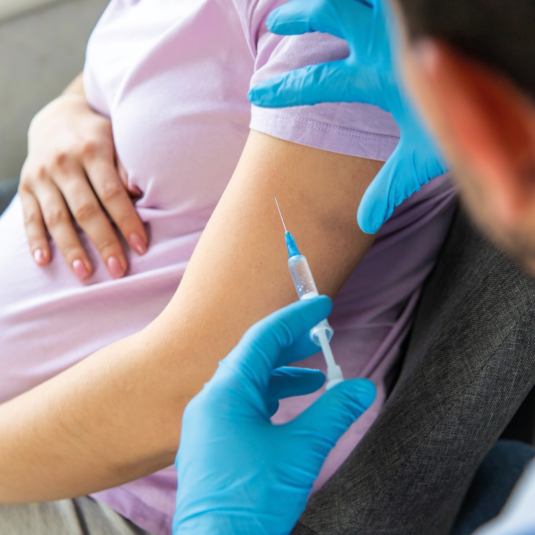
Have each vaccine when it is offered. You do not need to wait to have them together.

Speak to your midwife, maternity team, GP surgery or pharmacist if you have questions about vaccines during your pregnancy.
Section 3: Their Super Body keeps growing

Your child’s body is amazing.
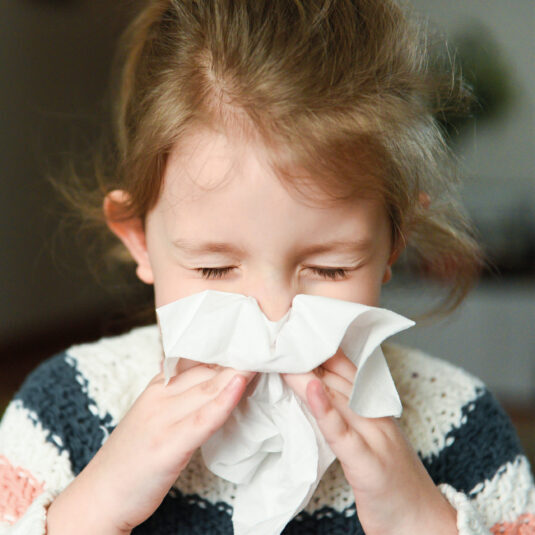
Every day, their immune system fights off lots of common bugs and infections.

Most coughs, colds, sore throats and earaches get better on their own with rest, fluids and time.
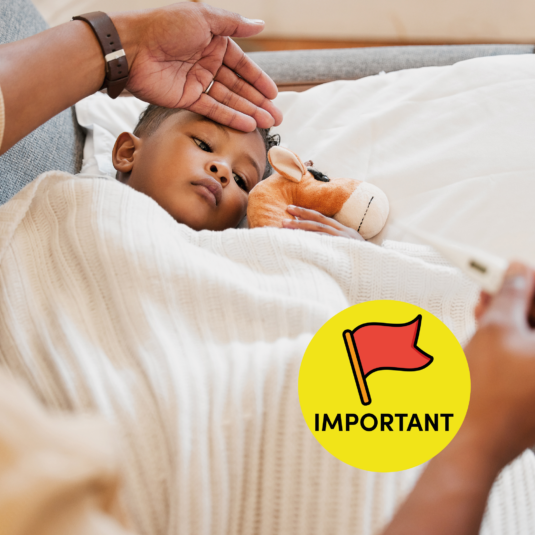
But flu can be different.
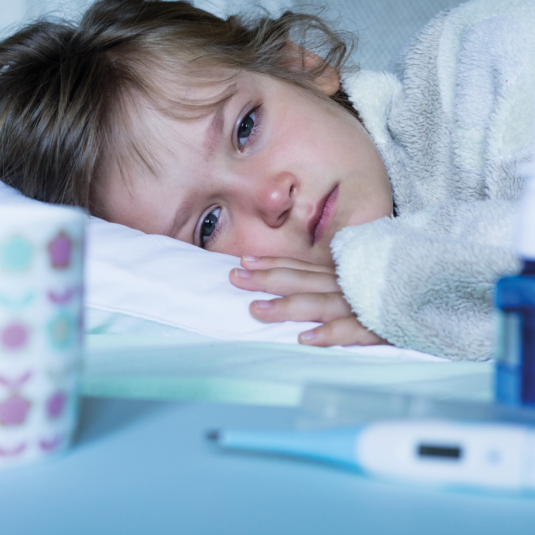
Flu is much more than a bad cold. It can make children very unwell, including children who are usually fit and healthy.

Some children need hospital care.

Give their Super Body extra protection from flu
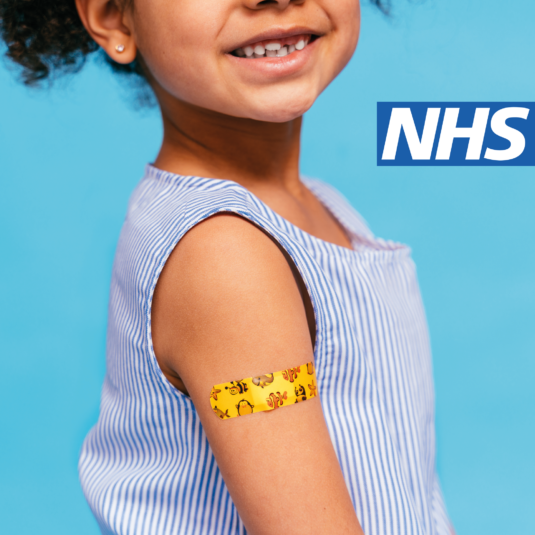
The free NHS flu vaccine helps reduce your child’s risk of getting flu and becoming seriously ill.

It can also help reduce the spread of flu to other people.
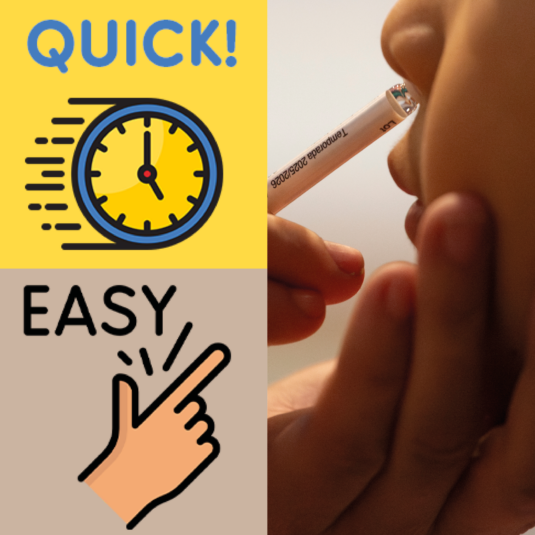
Quick and easy
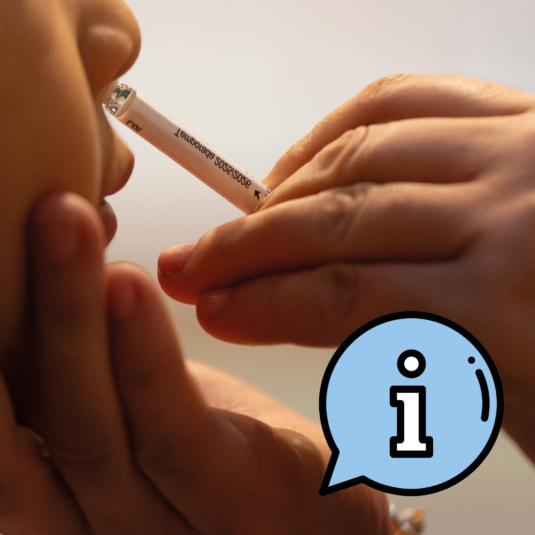
Most children have the flu vaccine as a quick nasal spray.

It only takes a few seconds.
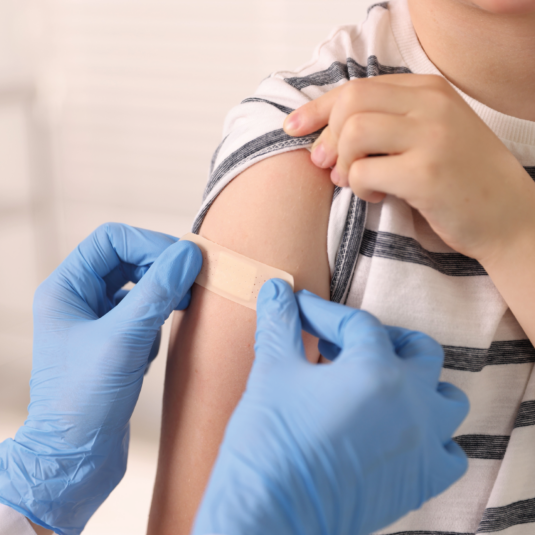
Some children will be offered a flu vaccine injection instead.

Protection every winter

Flu viruses can change, so eligible children are offered a flu vaccine every year.

Having the vaccine each winter gives them the best protection against flu viruses.
Section 4: Who can get the free NHS flu vaccine?

Children aged 2 and 3
Children who were aged 2 or 3 on 31 August 2026 can get a free NHS flu vaccine.

From 1 September, they can get vaccinated through their GP surgery.

From 1 October, some pharmacies can also vaccinate children aged 2 and 3.

School-aged children
(Reception to Year 11)

Children from Reception to Year 11 will usually be offered their flu vaccine at school during the autumn term.

If your child misses their vaccination, catch-up appointments will be available.
Children who are home educated can also get their vaccine through the local school-aged immunisation service.

From 1 December, participating pharmacies can also vaccinate school-aged children who missed the chance to have it through the school programme.

Children with long-term health conditions

Children aged 6 months to 17 years with some long-term health conditions can also get a free flu vaccine.

This includes some conditions that affect:
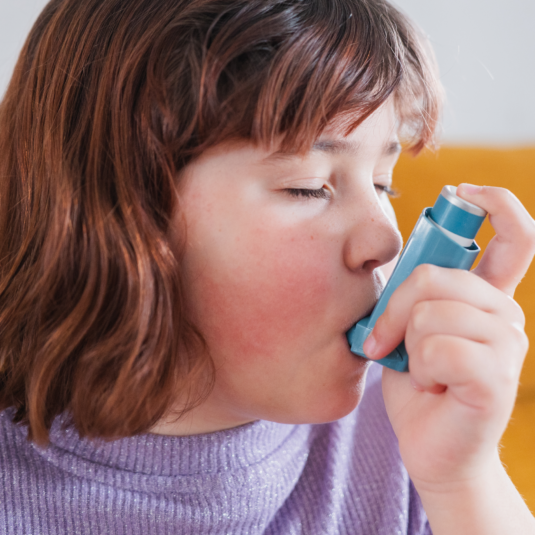
breathing

the heart, kidneys or liver

the brain or nerves
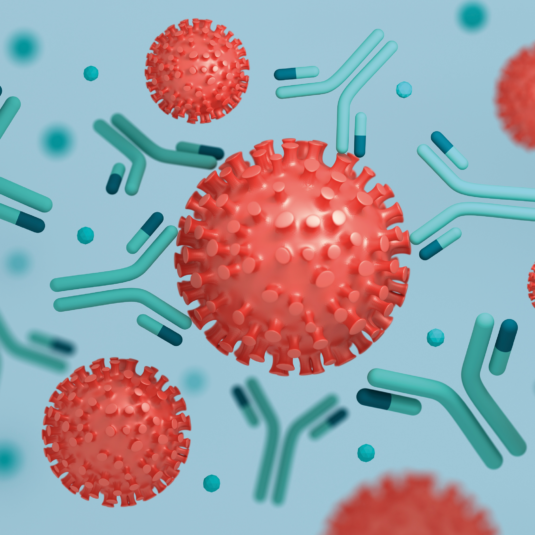
the immune system
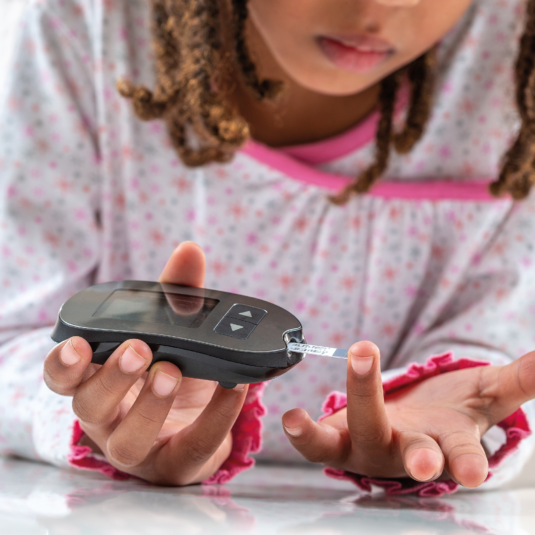
Children with diabetes, sickle cell disease or a learning disability may also be eligible.

If you are not sure, speak to your child’s GP surgery or specialist.
Section 5: Protecting your whole family

Vaccination can help protect your family at every stage – from pregnancy and your baby’s first months through to childhood.
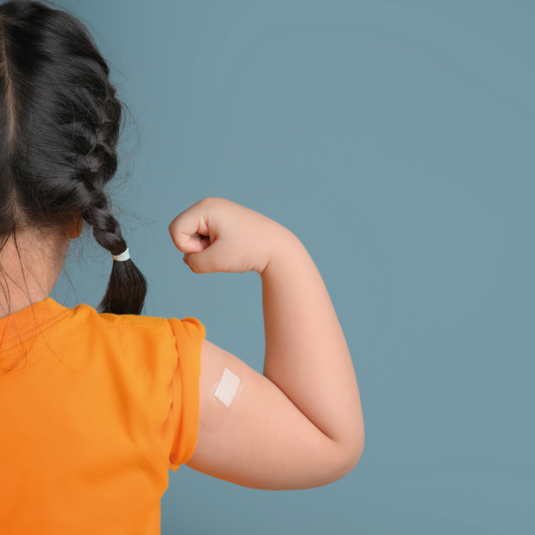
Vaccinating your child against flu can also help protect:

Babies who are too young to be given a vaccine

grandparents and older relatives

people with long-term health conditions
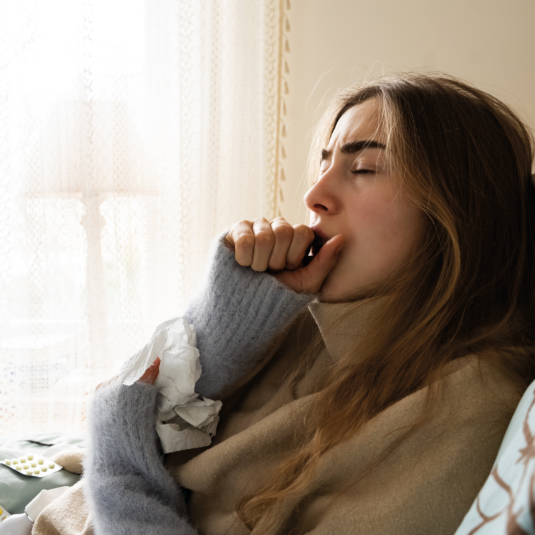
people with weaker immune systems

Children can easily bring flu home from school or childcare.

Getting vaccinated when it is offered is one way your family can help protecteach other.

Common questions answered

Will the vaccine weaken my child’s body?
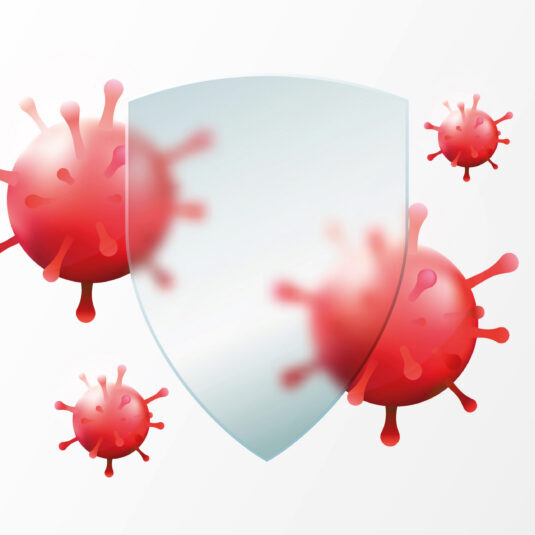
No.
Vaccines help your child’s immune system learn how to recognise and fightspecific infections.

Their immune system can still deal with the many other bugs they meet every day.

Does my child really need it?
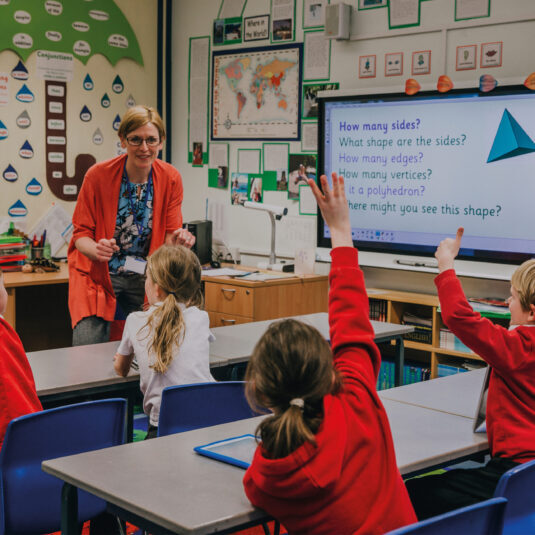
Flu can make children seriously unwell, including children who are usually fit and healthy.
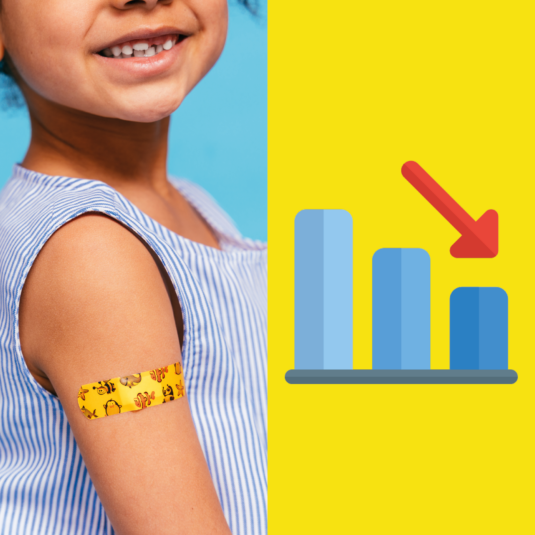
Vaccination reduces their chance of getting flu and becoming seriously ill.

What about side effects?
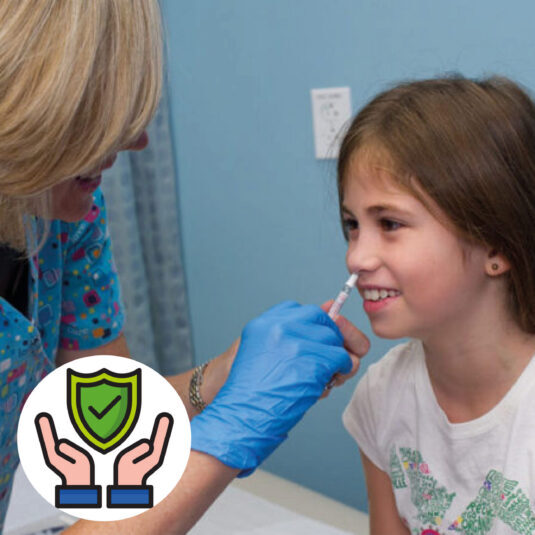
The nasal spray vaccine is very safe.

Some children may have a runny or blocked nose, feel tired or have less appetite for a short time.
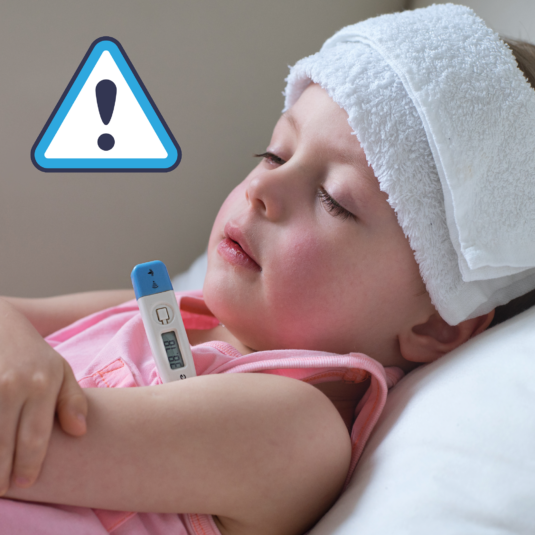
Serious side effects are very rare.
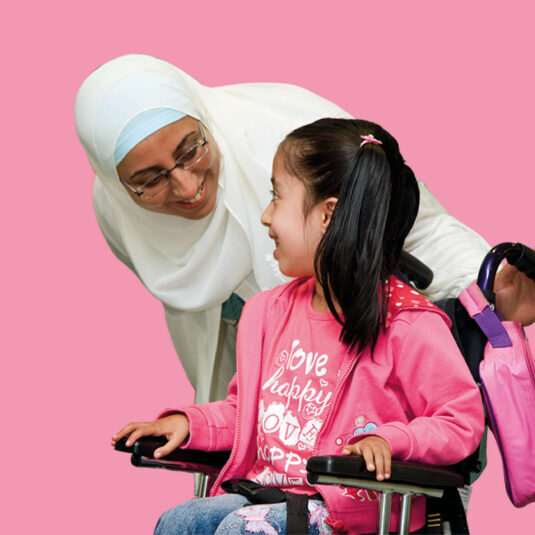
My child has a long-term condition – is it safe?
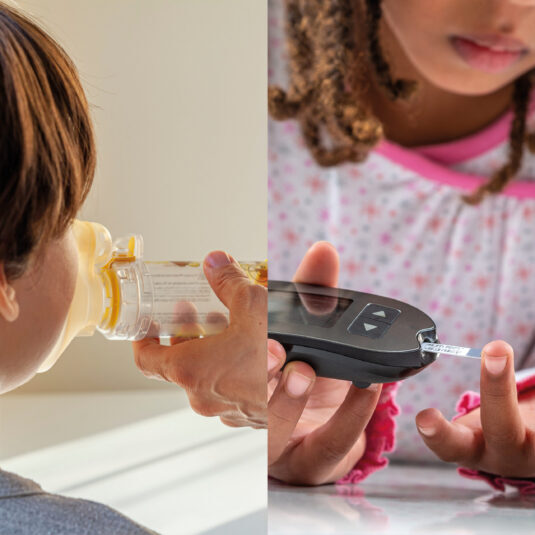
Children with some long-term health conditions are more at risk of becoming seriously ill from flu.

Vaccination is especially important for them.

Speak to your child’s GP surgery or specialist if you have questions.

Is there an alternative to the nasal spray?
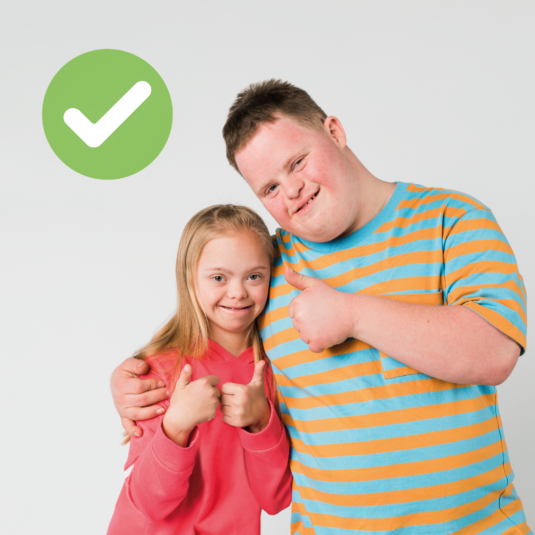
Yes.

The nasal spray contains a small amount of gelatine from pigs, known as porcine gelatine.
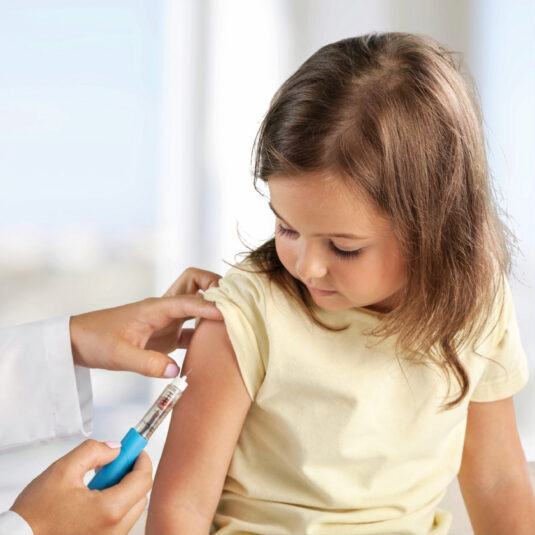
An injected flu vaccine that does not contain gelatine is available if you do not want your child to have the nasal spray because of its ingredients.
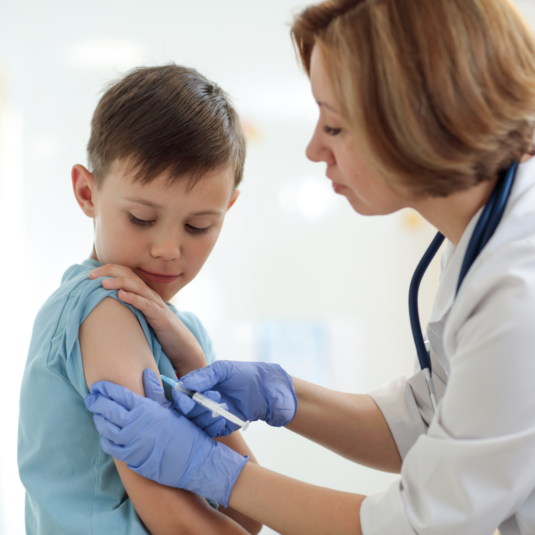
Some children also need the injected vaccine for medical reasons.

Speak to the person vaccinating your child about the options available.
Section 6: Common winter illnesses

Your child’s body is brilliant at fighting off common winter illnesses.
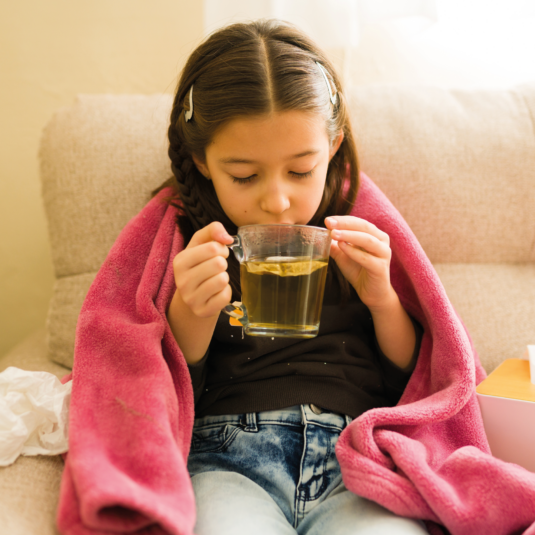
Most get better on their own with rest, fluids and time.

Remember:

many common winter illnesses are caused by viruses
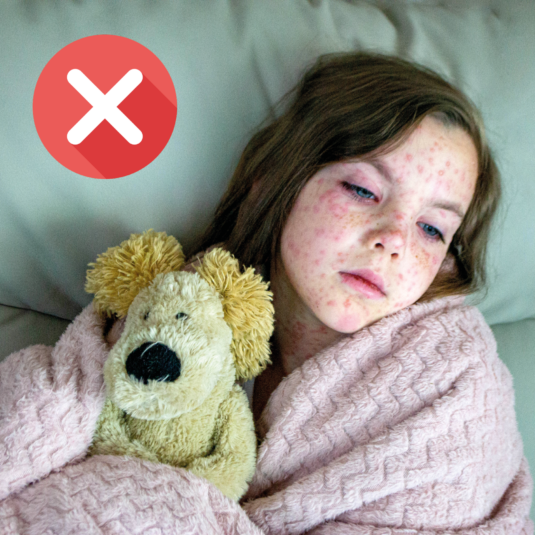
antibiotics do not work against viruses
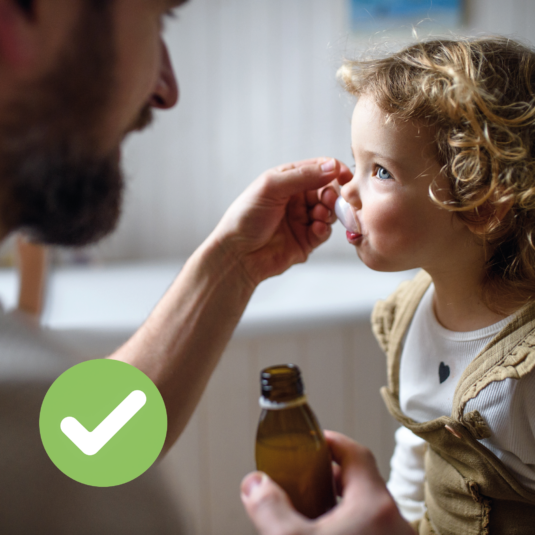
antibiotics should only be used when prescribed by a healthcare professional

rest, fluids and care can help your child while their body fights the infection.
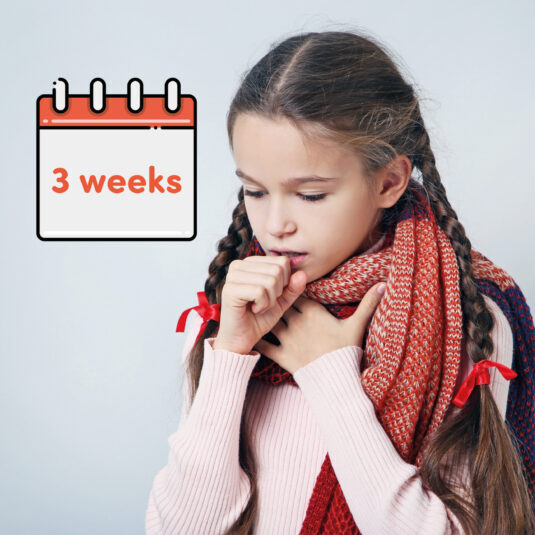
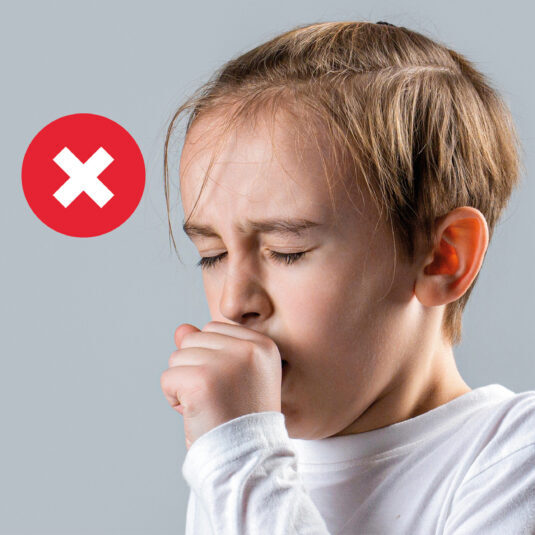
Coughs
Coughs are common in winter. They can last up to 3 weeks.
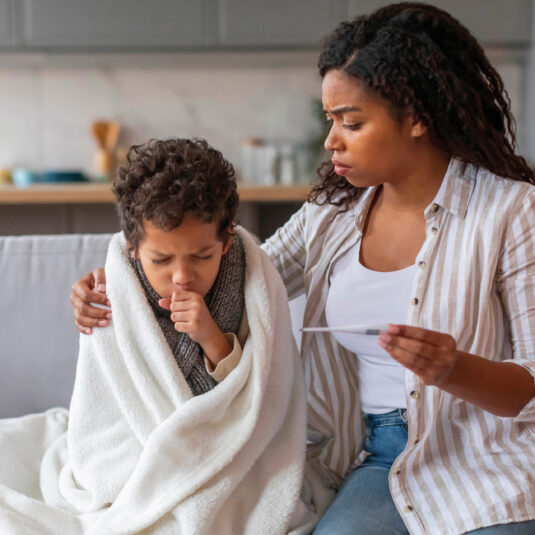
They can sound dry, chesty or wheezy.

What helps
warm drinks and honey (over age 1)
giving your child enough to drink

opening windows briefly to get some fresh air.

plenty of rest.

When to ask for help…
if breathing is noisy or your child is finding it difficult to breathe
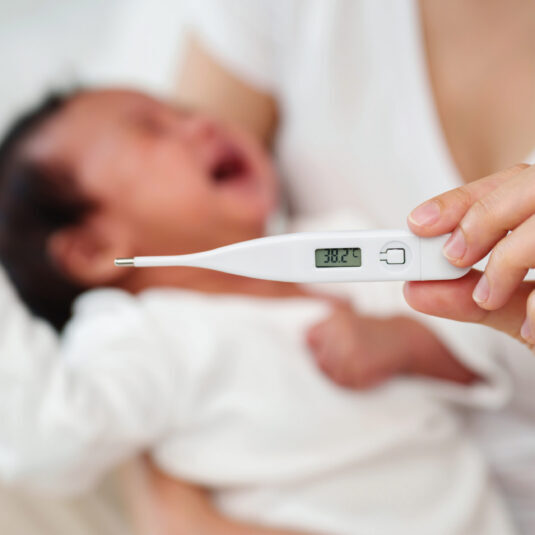
high temperature (fever) of 38C or more, lasting more than 5 days
cough getting worse rather than
improving

you are worried about them.
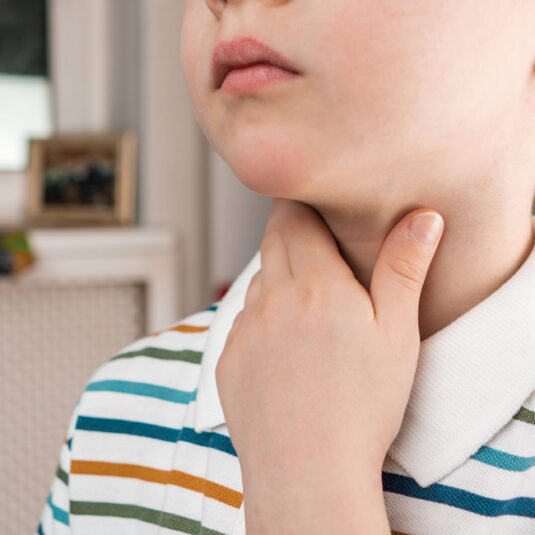
Sore throats
A sore throat is often caused by a virus and usually gets better on its own. Most clear up within 7 days.
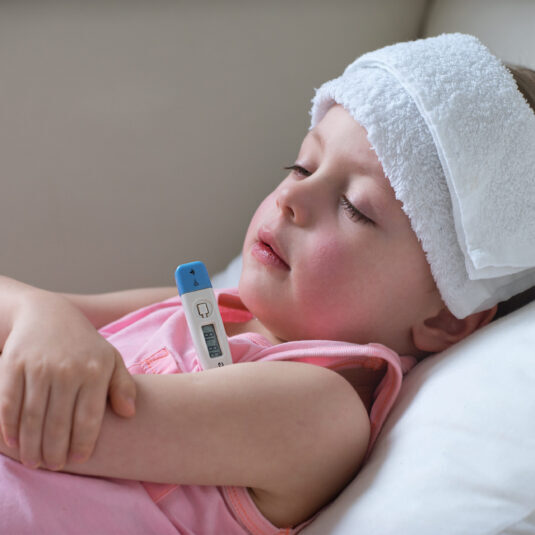
Sore throats may come with a runny nose, cough or mild fever.
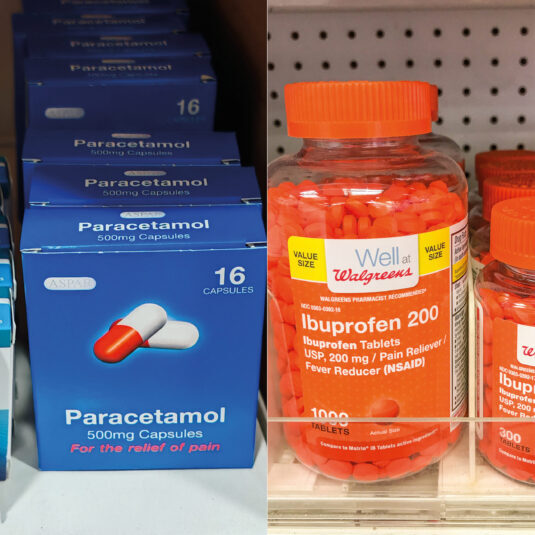
What helps…
paracetamol or ibuprofen for pain. Always follow the instructions on the medicine.
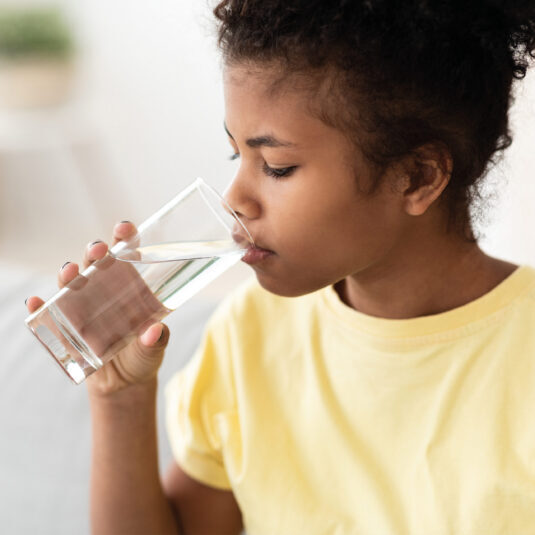
cool drinks and soft foods
plenty of rest

When to ask for help…
if your child can’t swallow, is drooling or has a stiff neck
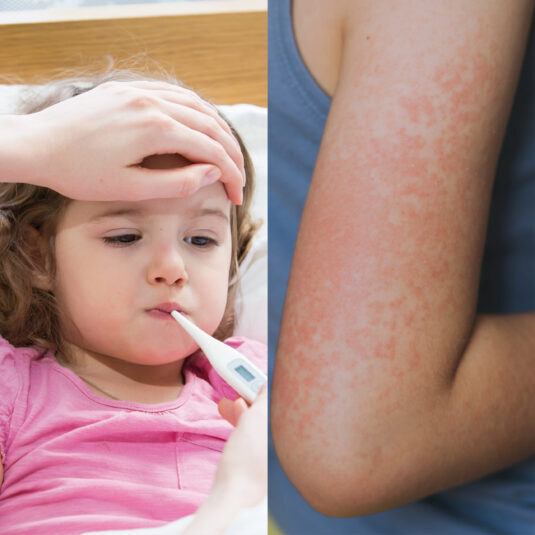
if your child has a very high fever or rash.

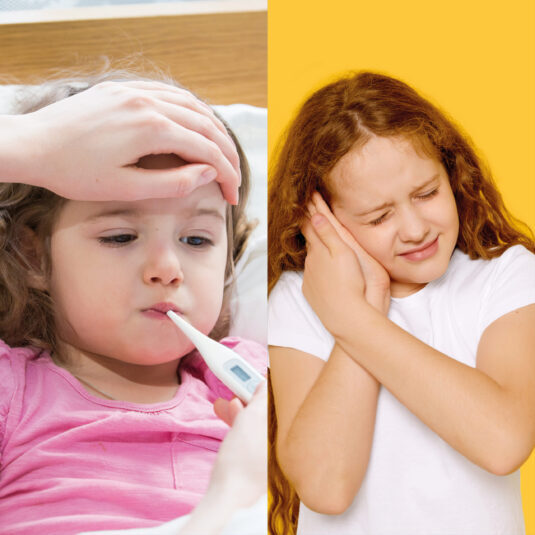
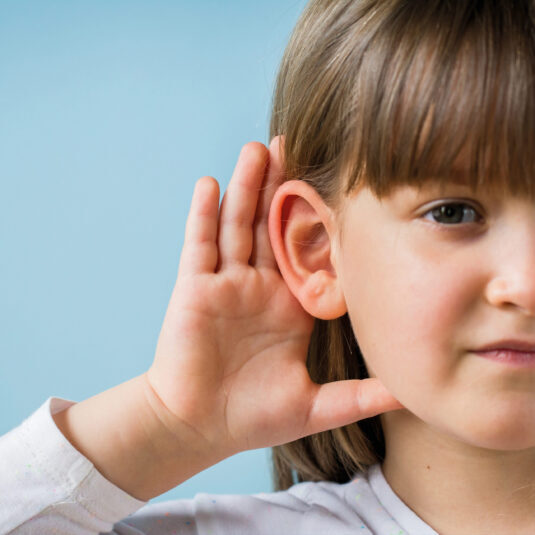
Earache
Many earaches clear up without needing medicine.

Earaches often follow a cold. They can cause pain or difficulty sleeping.

They usually go away after about 8 days.
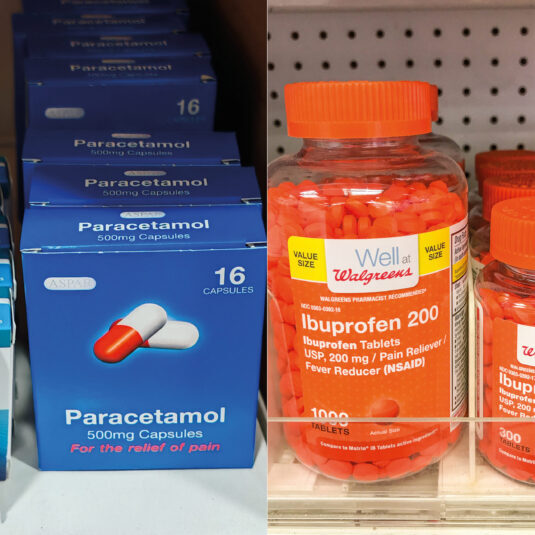
What helps…
paracetamol or ibuprofen for pain. Always follow the instructions on the medicine.
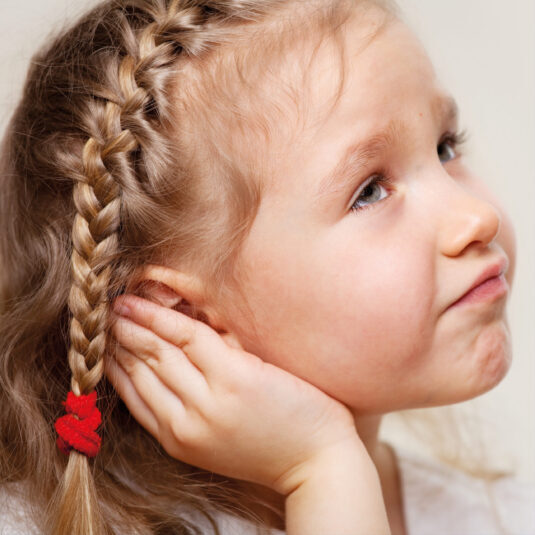
a warm compress against the ear.
When to ask for help…
if your child has a high fever or a weeping ear

the earache is not getting better
or they have repeated ear infections oryou are worried about them
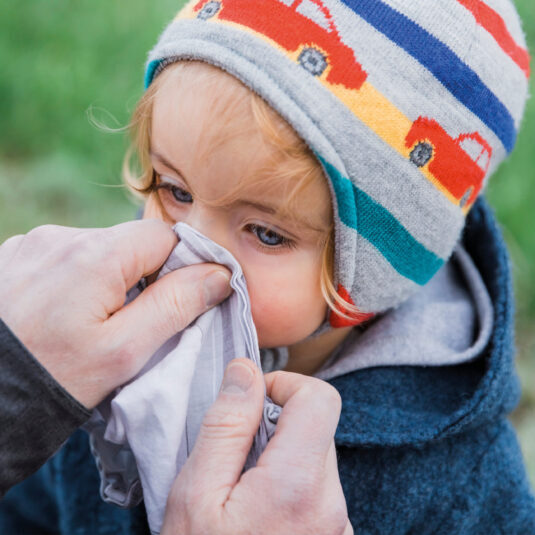
Colds and runny noses
Colds and runny noses include sneezing, mild cough and a low fever.

They can last for between 5 and 10 days.

What helps…
water and other drinks and rest

gentle nose-wiping
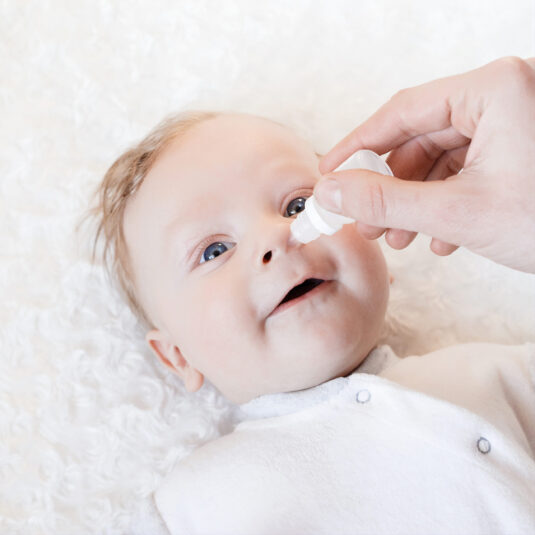
Nose drops can also help babies breathe more easily.
When to ask for help…
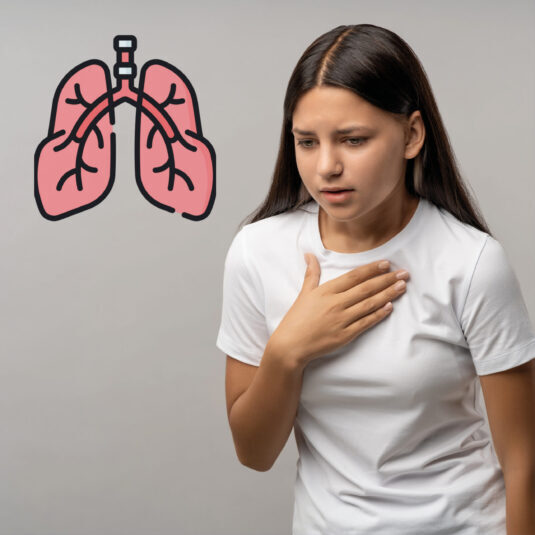
if your child has problems breathing
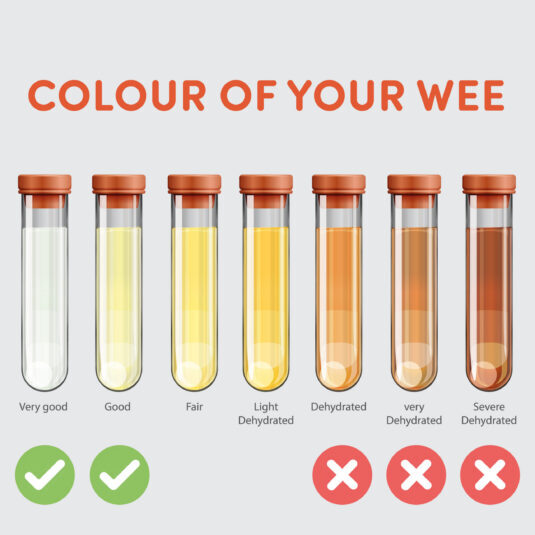
signs of not having enough liquid, like feeling thirsty, dark yellow, strong smelling pee, or peeing less often than usual

if your child is very drowsy.
High temperature
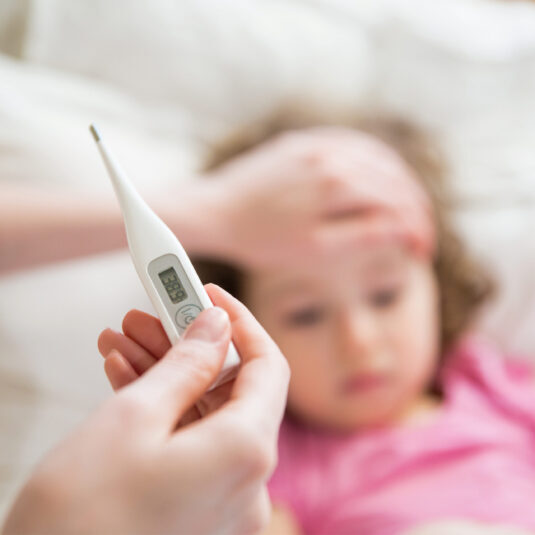
A high temperature is one way the body responds to infection. It doesn’t always mean something serious.
A high temperature in children is 38 degrees or above.

What helps…
water and other drinks and rest
paracetamol or ibuprofen if your child seems uncomfortable. Always follow the instructions on the medicine.
When to ask for help…
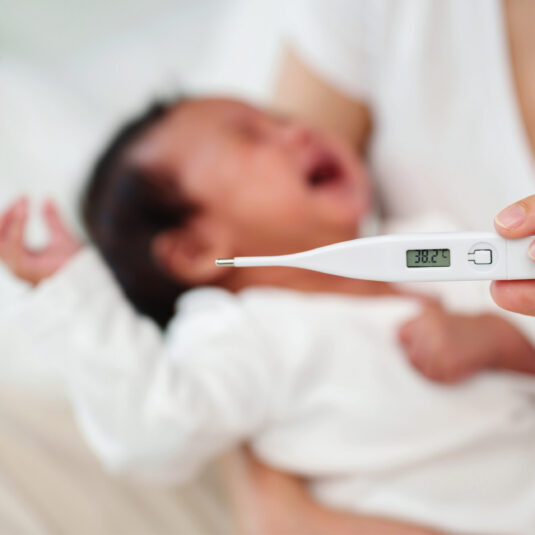
if your baby is under 3 months and has a
temperature over 38°C
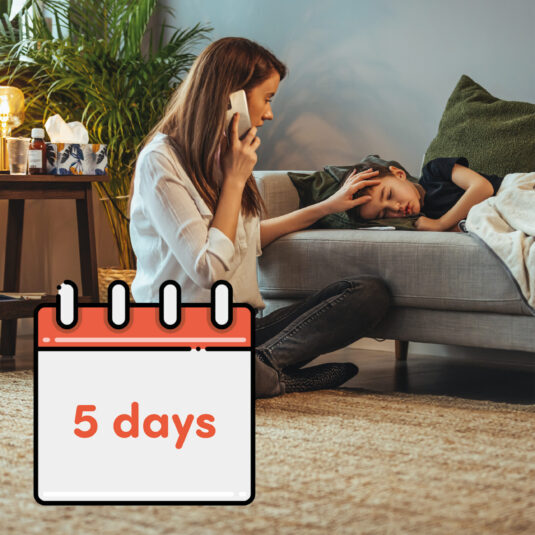
if the high temperature lasts more than 5 days
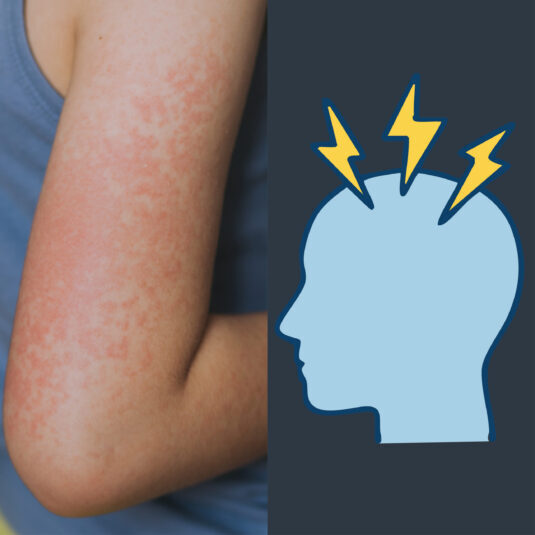
seizures, a rash, or seems seriously unwell.

Help their Super Body stay strong
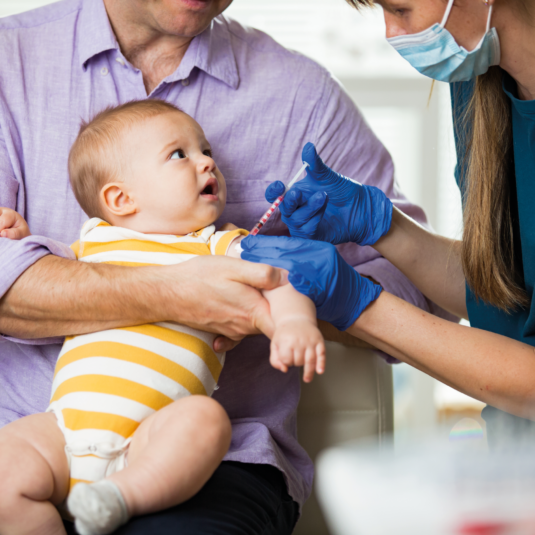
Get their flu vaccine when it is offered.

Encourage regular hand washing.

Make sure they get plenty of rest when they are unwell.

Give them plenty to drink
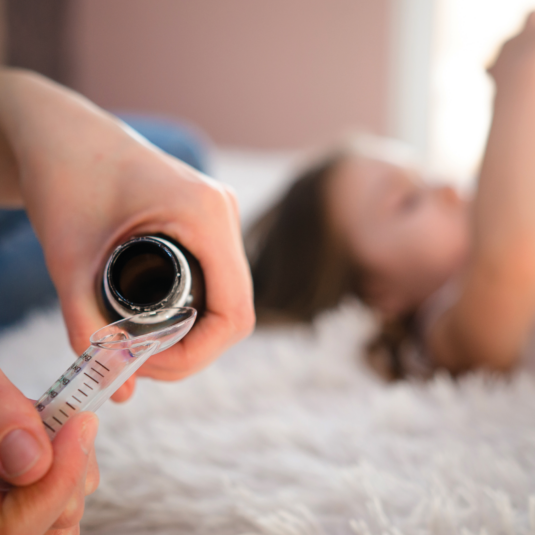
Use antibiotics only when prescribed by a healthcare professional.

Ask for help if you are worried about your child.

A well-stocked medicine cupboard can help you manage common childhood illnesses and minor injuries.
Section 7: What families say
When the school offered the flu nasal spray, it made sense
Parent of two boys aged 5 and 7:
to protect both of my boys.
I thought it might be an injection at first and was worried it would upset them, but the information from the school
explained everything clearly.
For the sake of a quick spray up the nose, it can save your family a lot of stress when flu is going around.
I used to think flu was just a bad cold– until I had it myself and ended up in hospital.
Tom from Southend
That experience changed everything. I wouldn’t wish it on
my child.
I’ll definitely be getting him vaccinated again this year.
I’ve got two little ones – one is three and the other just four months.
Sarah from Southend
I get the flu vaccine every year myself, and with my older child having some health conditions, it made sense to get them protected too.
I’ll definitely be vaccinating again this year.
Section 8: Where to get help

If you’re pregnant:

For advice about vaccines during pregnancy:

speak to your midwife or maternity team

contact your GP surgery

speak to a community pharmacist

The flu, whooping cough and
RSV vaccines are given as injections in the arm.

Common side effects are usually mild and can include a sore arm, headache, muscle aches, mild fever or tiredness.

For your child:
For information about your child’s flu vaccine:

contact their GP surgery

ask their school

speak to a community pharmacist

contact the local school-aged
immunisation service.

If your child misses their school flu vaccination, catch-up options are available.

If your child is unwell:

You know your child best.
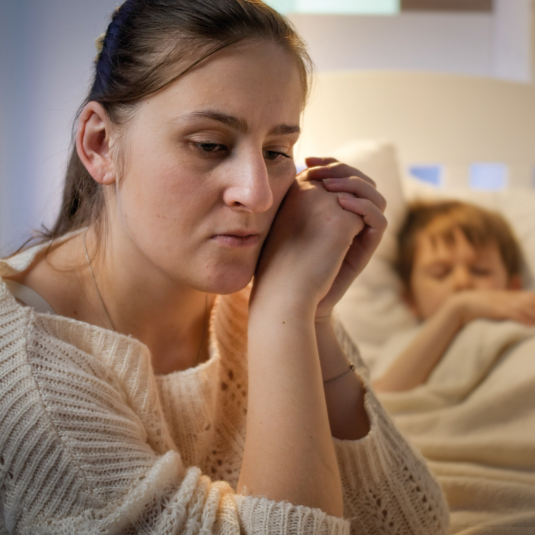
If you are worried about their
symptoms or they are getting worse:
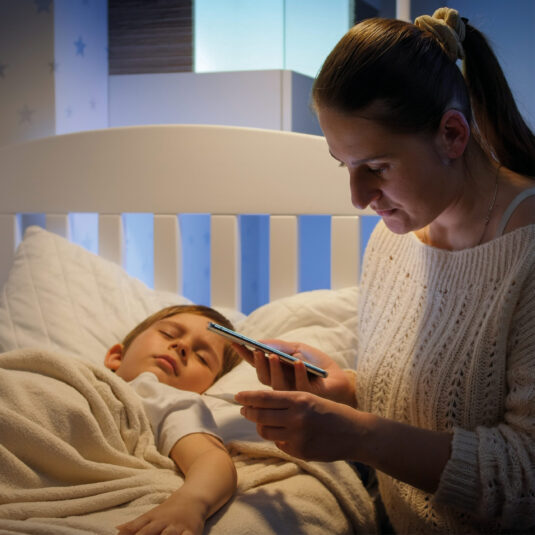
Contact your GP or call NHS 111

If it’s an emergency, call 999 or go to your nearest A&E for immediate help from specialist staff.
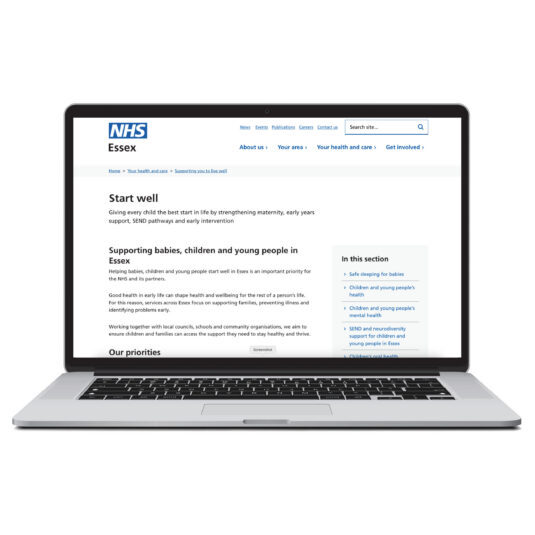
For more information about keeping your child safe this winter visit: Start well page on the NHS Essex website