
Current and ex-smokers in Harlow are to benefit from lung cancer screening, as a local health leader warns symptoms are often missed or mistaken for less serious conditions.
The NHS Lung Cancer Screening programme, which has started inviting eligible residents in Harlow, can detect cancer and other lung conditions before any noticeable symptoms appear.
This early detection allows people to begin treatment sooner, leading to better long-term health outcomes and potentially saving lives.
The free NHS Lung Cancer Screening programme is available to smokers and ex-smokers aged between 55 and 74. To receive an invitation, eligible residents must have their smoking history recorded with their GP practice.
Harlow is the first location in west Essex where lung cancer screening will begin. Uttlesford and Epping Forest will follow later.
So far, around 450 cases of lung cancer have been identified through the programme across Essex. About 75% were found at an early stage (1 or 2).
We are really pleased to announce that the Lung Cancer Screening programme is coming to Harlow. The aim of the programme is to detect lung cancer early so that people can be treated sooner and more effectively – ultimately saving more lives.
Dr Sara Astbury, local GP and Clinical Lead for Cancer at NHS Essex
Lung cancer is the biggest cause of cancer deaths in the UK. The unfortunate reality is that for many people it can develop for a long time with no clear signs. If there are symptoms, they can be easily mistaken for more common conditions. That’s why screening is so important.
If you receive an invite, make sure to get in touch with us using the contact details in your invitation. For the majority of people everything will be normal, but in circumstances where something is found, screening will give us more opportunity to act sooner.
The programme starts in Harlow during Lung Cancer Awareness Month, which is held every year in November.
The Lung Cancer Screening programme will be inviting Harlow residents over the next few months.
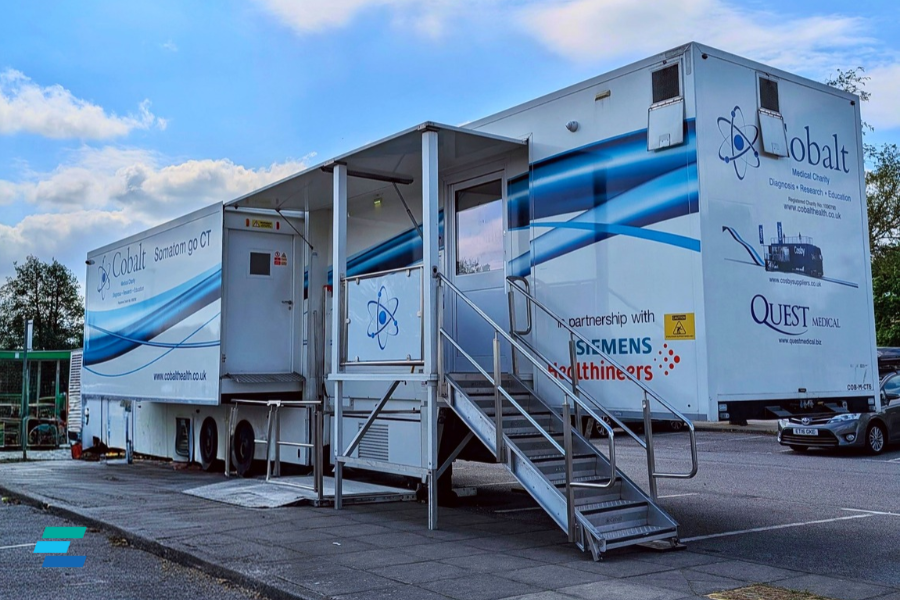
Eligible residents will first have a telephone consultation with a specialist nurse. Those considered at higher risk will then be offered a low-dose CT scan, carried out at a state-of-the-art mobile unit.
The mobile unit is due to arrive in Harlow sometime next month to begin scanning.
More information about the programme