
International Day of the Midwife celebrates midwives around the world for the care and dedication they bring to their roles and maternity care.
Held each year on 5 May, this day recognises the role that midwives play. It highlights how they support women and birthing people through pregnancy, birth and postnatal care. Midwives train as healthcare professionals to provide expert, compassionate care in hospitals, clinics, homes, communities and specialist services.
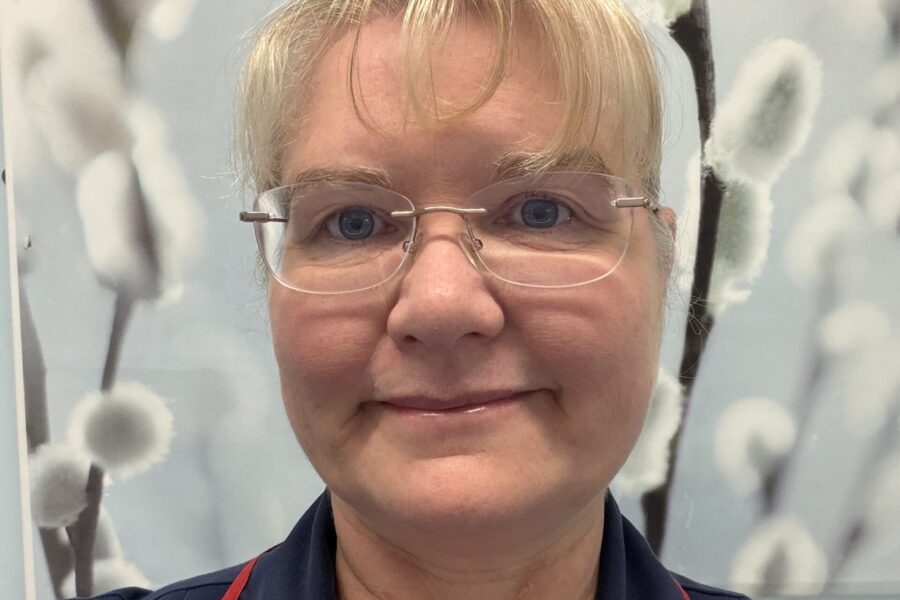
Karen Watts shares her experiences as a Perinatal Pelvic Health Midwife at Mid and South Essex NHS Foundation Trust.
What inspired you to become a midwife?
People often ask what inspired me to become a midwife and, the truth is, it wasn’t one single moment. It was a growing awareness of the power and vulnerability that co-exist during pregnancy and birth. I’ve always been fascinated by the strength of women and the incredible transformation that comes with becoming a parent. No two journeys are the same, and being part of such a personal, life-changing experience still feels like a privilege.
After 18 years as a Community Midwife, I felt that I needed a new challenge. I am now a Perinatal Pelvic Health Midwife. In this role, I have been involved in working towards creating a Perinatal Pelvic Health Service, opening up a whole new layer of care for women during and after pregnancy.
Why is pelvic health important in the pre and postnatal journey?
Pelvic health is not often talked about, yet it is so crucial to long-term wellbeing. I support women experiencing pelvic floor dysfunction, incontinence, prolapse and perineal trauma – issues that can significantly impact quality of life but are too often normalised, overlooked or hidden.
A large part of my role is to raise awareness about how people can reduce the risks of developing these symptoms in pregnancy and through childbirth. I do this by working collaboratively with other midwives, health professionals and community support groups. It’s incredibly rewarding to bring attention and care to this important aspect of maternal health, and to advocate for services to ensure women aren’t left to suffer in silence. Help is available.
How do you support women and families during the pregnancy and birth journey?
One element of my practice is supporting women to feel informed, confident and in control of their choices, whether it is their first or fourth pregnancy. Pregnancy and birth are deeply personal experiences, and I strive to offer care focused on an individual’s needs, values, and preferences. Whether it’s exploring birth options, navigating challenges, or simply having someone to listen to, my role is to ensure women feel seen, heard, and supported.
I help people understand their options so they can make choices that feel right for them. I may meet people several times throughout their maternity care. This means that they do not have to repeat their personal story to different professionals. It is very rewarding when someone says I have helped them.
What is the role of modern midwifery?
Midwifery has evolved and the role of the midwife is constantly adapting. We don’t ‘just catch babies’. Today’s midwives are highly skilled, autonomous practitioners who provide care across the childbearing journey, offer health education and manage all types of pregnancies. They also recognise and respond to emergencies with confidence, care and compassion. As midwives, we have a lot of responsibility to help safeguard the health and wellbeing of not just the mother and baby, but also the wider family unit.
To support this, I have returned to university. I am currently working towards a master’s degree in Pelvic Health and becoming an Advanced Clinical Practitioner. I never thought I would be doing this at this stage of my career, but this is what makes working in the NHS so flexible and rewarding. There are opportunities for staff to develop their skills and diversify into new, exciting roles to meet the needs of patients as modern healthcare and patients’ requirements constantly evolve.
Getting the right care and support
Maternity and neonatal services in Essex provide personalised, safe, high-quality care to you and your baby. This can be during pregnancy, birth, and the early days after delivery.
Visit our maternity and neonatal section to explore the support available across Essex.