
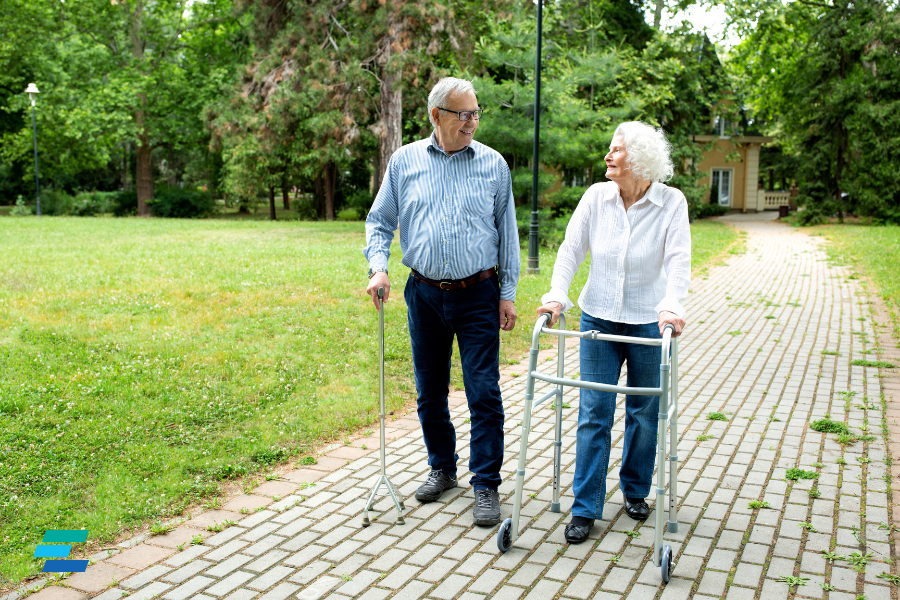
More than *40 people in Essex are admitted to hospital every day following a fall, prompting local NHS leaders to encourage people to take simple steps to reduce their risk during Falls Prevention Week.
Two-thirds of people admitted to hospital following a fall are aged over 75. Many of these falls can lead to serious and long-lasting impacts such as broken bones, head injuries and health complications. However, trips and falls do not have to be a natural part of getting older.
This Falls Prevention Week (21–25 September), NHS Essex is sharing advice on how people can build their strength and balance to improve their mobility. They are also offering tips on changes you can make at home to reduce the risk of falls.
As we age, we naturally lose muscle unless we actively work to maintain it. Frailty and falls do not have to be an inevitable part of getting older.
Dr Matthew Sweeting, Consultant Geriatrician and Executive Medical Director at NHS Essex
Regular activity, particularly exercise that improves strength and balance, can help us stay mobile, confident and independent for longer. That doesn’t have to mean going to the gym. Walking regularly, getting up and moving throughout the day, tai chi, simple strength and balance exercises, or joining local activities such as Able Like Mabel can all make a difference.
Able like Mabel is a campaign from Active Essex that introduces a series of simple movements for introducing into a daily routine. The different movements are designed to support people to remain steady, strong and able for regular daily tasks.
Similarly, Cuppa Routine is a short set of exercises people can do at home. It takes about the same time as making a cup of tea, and turning on the kettle can act as a great reminder.
For those that may be struggling with mobility, Dr Sweeting added: “If you are repeatedly falling, becoming increasingly unsteady or there has been a significant change in your mobility, then it is important to seek advice. But for most of us, the message is simple: keep moving, keep building strength and keep doing the things that help you stay independent.”
Alongside exercise, other changes you can make around the house and outside include:
- Making the home safer by removing clutter and using non-slip mats or rugs.
- Checking footwear. Well-fitting shoes with good grip and support are essential indoors and outdoors.
- Taking care outdoors by taking smaller steps on icy pavements and use walking aids if needed.
- Reviewing medications as some can cause dizziness or affect balance. Speak to a GP or pharmacist to check.
- Eating well and staying hydrated. A balanced diet rich in calcium and vitamin D supports bone health. Drinking enough water helps prevent dizziness or fainting.
- Using support if you need it. Walking sticks, frames, or grab rails can reduce risk.
- Asking for help. If you feel unsteady, talk to a GP, community nurse, or physiotherapist.
*Figures are based on inpatient SUS (Secondary Uses Service) data for Essex hospitals between January 2024 and July 2026.